Here is the date that should govern your autumn: January 10, 2027. Shangri-La Frontier Season 3 premieres on it, with Sakamoto Days Season 2, a new season of Akane-banashi and a pile of others queued right behind, and the rest of the month shows no sign of being kinder. Winter 2027 is going to arrive as a wall, and that wall is the entire reason this list exists.
A wall like that wrecks a watchlist in two specific ways. It buries the shows you genuinely meant to watch, and it tempts you into starting things in December that you will not finish until spring. The fix is not discipline. It is arithmetic. Anything you begin in the next eight weeks and give a fair chance is done before the flood arrives; anything you begin in the middle of January is fighting twenty other premieres for the same evenings.
Crunchyroll announced its Fall 2026 lineup on September 15, with the premiere weekend landing October 2 through the 4th and stragglers filling the rest of the month, and that announcement is itself a list of things worth starting now. Further out, WIT Studio’s One Piece remake drops its first seven episodes at once on Netflix in February 2027, Kagurabachi debuts in April, and Frieren returns in October 2027. The next three months are the widest window you will get all year.
How This List Was Built
Two rules, both borrowed from the sustainable watchlist guide over on Otaku. First, no two entries do the same job. If one show is a workplace mystery, the next one is not a workplace mystery. A list like this is a season plan rather than a genre pile, and the moment two entries compete for the same viewer the list is worse than useless.
Second, the back half of this list is restricted to shows that are finished or close to it. A completed show can be watched on your schedule. A show that is still airing will be watched on its schedule, and in three months you will have four of them and no opinion about any of them. Anything still running gets a short paragraph further down, not a section of its own.
I also kept the platforms honest. Crunchyroll carries most of what follows, but the two entries I would put at the top of the list are not on Crunchyroll at all, and if you have been living inside a single subscription for two years you have been quietly missing them. Platform by platform, our streaming guide is worth ten minutes before you commit a month to anything.
Witch Hat Atelier: The One You Can Still Fix
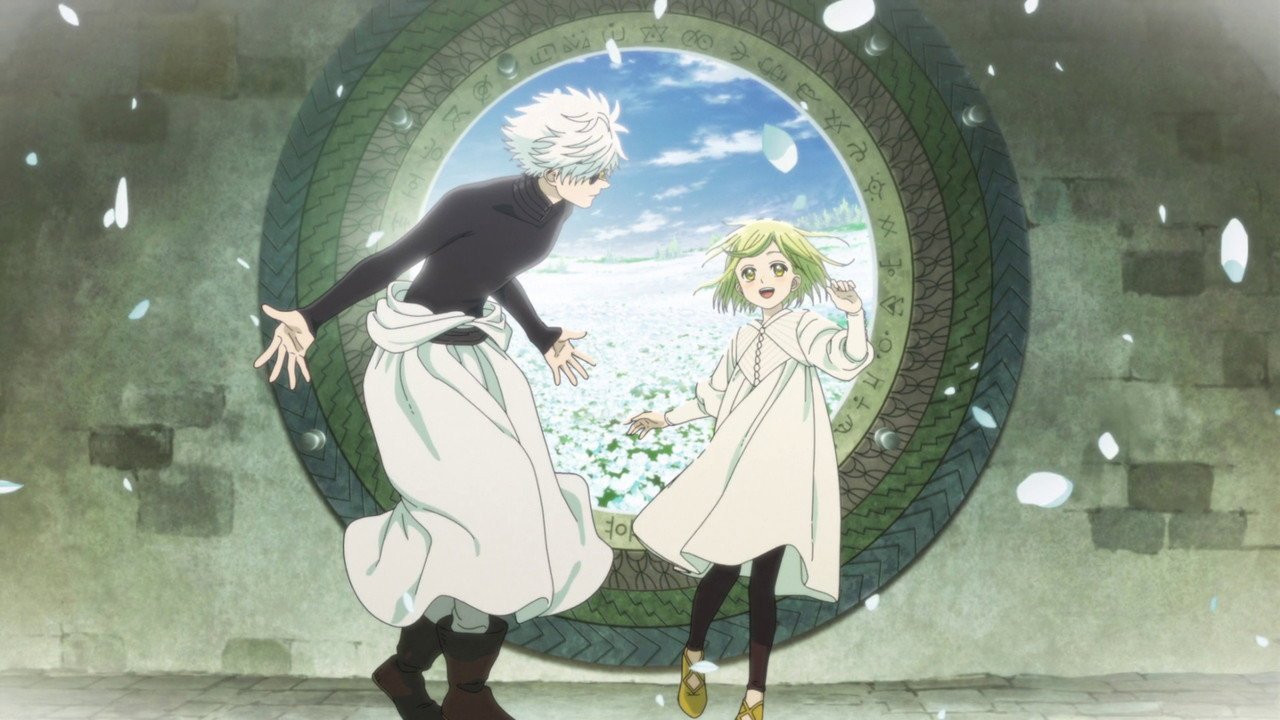
Kamome Shirahama spent two decades being the best-kept secret in shonen manga, and BUG FILMS finally animated her witch story this spring. It is the rare late catch-up with no asterisk attached. The season started in April and finished in June, it is short, and by now every scrap of launch coverage has evaporated, which means nobody is arguing about it and you have not had a chance to hear about it either.
Anime News Network’s editorial staff ranked it first in the best of Spring 2026, describing BUG FILMS’ rendition of Shirahama’s beloved Witch Hat Atelier as the show that knocked it out of the park in a season otherwise dominated by sequels. That is the highest possible signal for something that finished airing three months ago, and the second season is already in production, which means the window where catching up still feels casual is quietly closing.
My reservation is real. It is a gentle show. Nobody dies in a way that changes anything, the pace assumes you are paying attention, and the visuals occasionally do the emotional work the script leaves undone. If you want cruelty or a fight every eleven minutes, pick something else. If you want the most beautiful adaptation of a manga you have never read, give it four episodes before you decide anything.
The case for doing it now rather than in December is arithmetic again. Three months from now this show has a second season to catch up to. Three months ago it had nothing.
Sakamoto Days: The One You Are Actually Running Out Of Time For
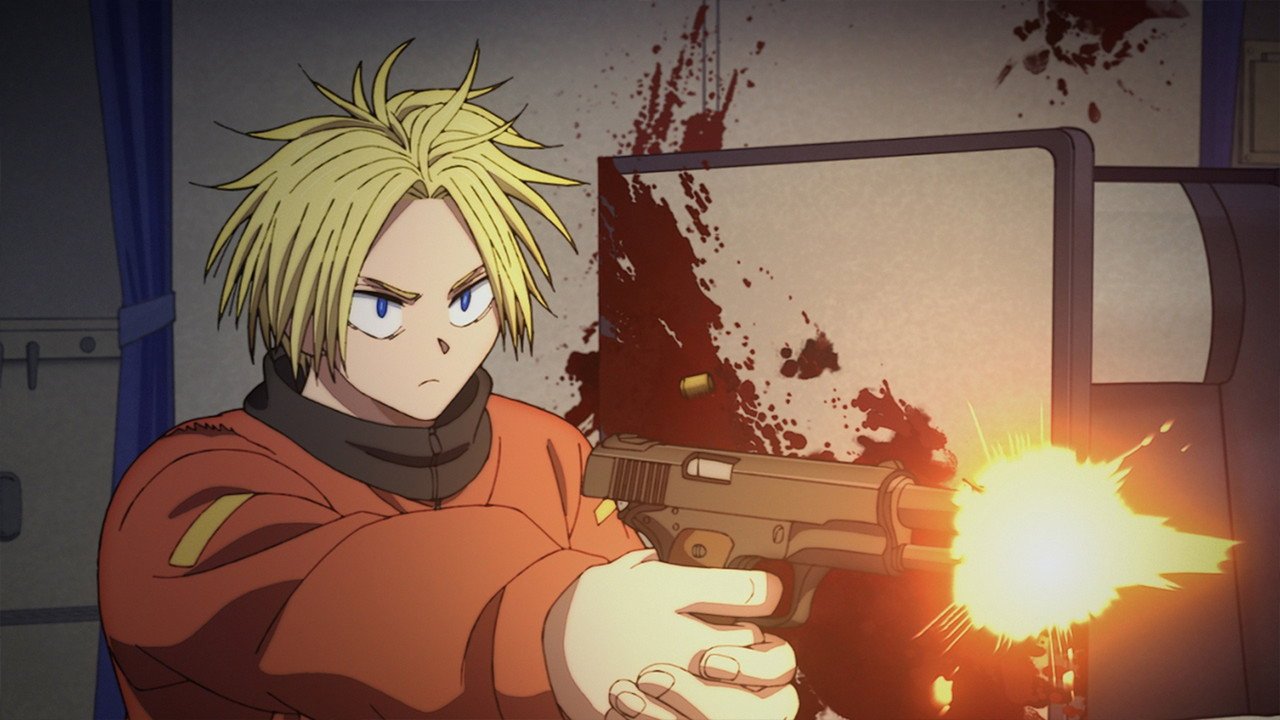
Here is the math that should get you off the couch. Sakamoto Days’ first season ran twenty-two episodes across two cours from January to September 2025, and it streamed on Netflix while the second season was already being announced for January 2027. Same platform, same corner of the calendar, no breathing room. Start season one in October and you finish it in December, then watch season two in January as a viewer who knows who everybody is. Start in January and you are watching the sequel having met none of them.
Almost nothing else on this list has that deadline. Akane-banashi is the runner-up: a dozen episodes on Netflix, a second season dated for the same January window, and a first season short enough to eat in a weekend whenever you feel like it.
The show itself is a stupid, grinning, extremely well-shot action comedy about a retired hitman who cannot stop killing people. Sakamoto fights with a pen, a stapler, a sword and an unreasonable amount of improvised hardware, usually in the middle of an ordinary errand. It is the most enjoyable action show on Netflix that is not trying to be a prestige drama about trauma, and twenty-two episodes is a commitment you can make this weekend without rearranging your life.
The Ghost in the Shell: A Reboot On a Short Leash
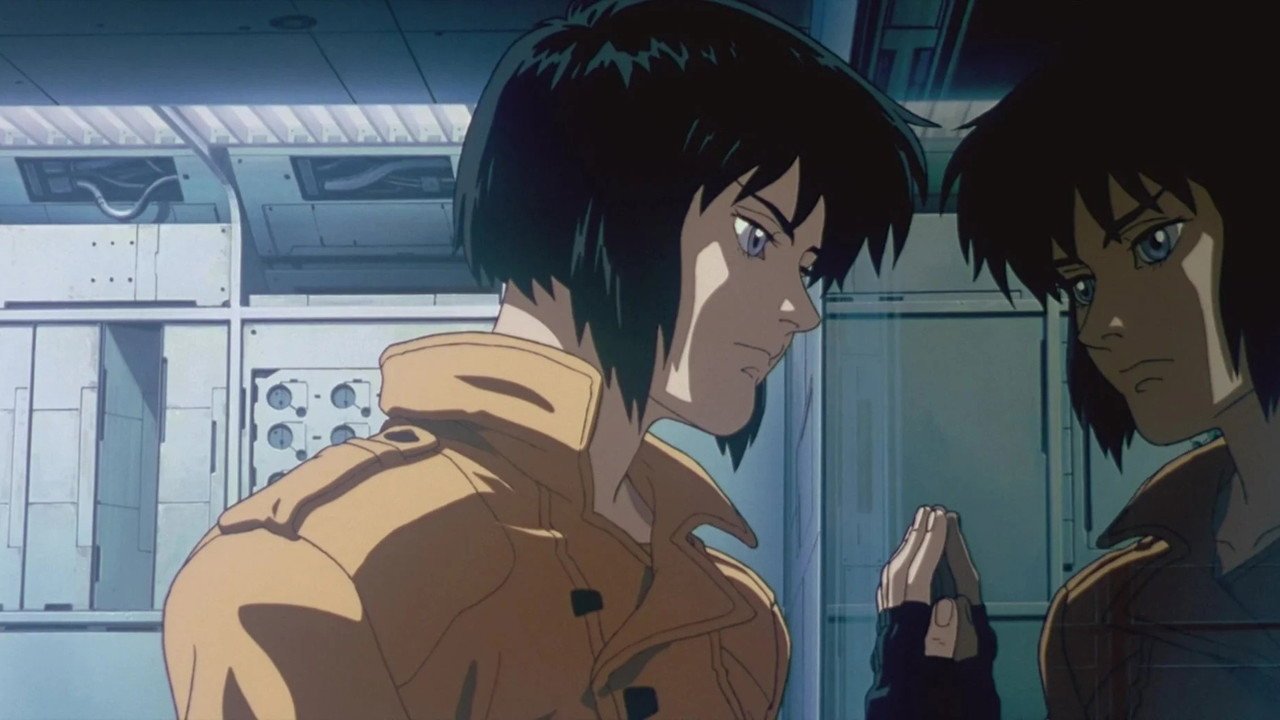
Masamune Shirow’s 1989 manga gets another full pass, this time at Science SARU, in Moko-chan’s directorial debut. It premiered on July 7, 2026 and streams worldwide on Prime Video outside China and Russia after Bandai Namco Filmworks revealed the date and the platform. The 1995 film remains the version most people know and probably the better film. This is a television restatement of the source, animated by the studio that made Devilman Crybaby and Dandadan, and it is a genuinely different bet rather than a remake of something you already love.
Two things put it on this list, and neither of them is the franchise name. First, it is recent enough that the premiere discourse is already over, so you are not waiting a year to find out whether a studio can actually land a hard reboot. Second, Science SARU is a stronger bet on motion than almost anyone working in television right now, and Moko-chan is coming off storyboards on Dandadan rather than a decade of safe credits.
Know this going in: the 1995 film is a genuinely different object. It is atmospheric, philosophical and slow in a way that rewards repeat viewing and frustrates first-timers in roughly equal measure. This is a retelling with a television show’s pacing, and it plays the Section 9 material straight instead of using it as weather. If you bounced off the movie and never went back, that is a fair reason to give the series a chance, but you are not getting the film back.
The catch is Prime Video. If you do not have a subscription, this is the one entry here that costs money, and the free corner of the catalog the rest of this list lives in will not carry it.
Jaadugar: A Witch In Mongolia: The One Nobody Queued For
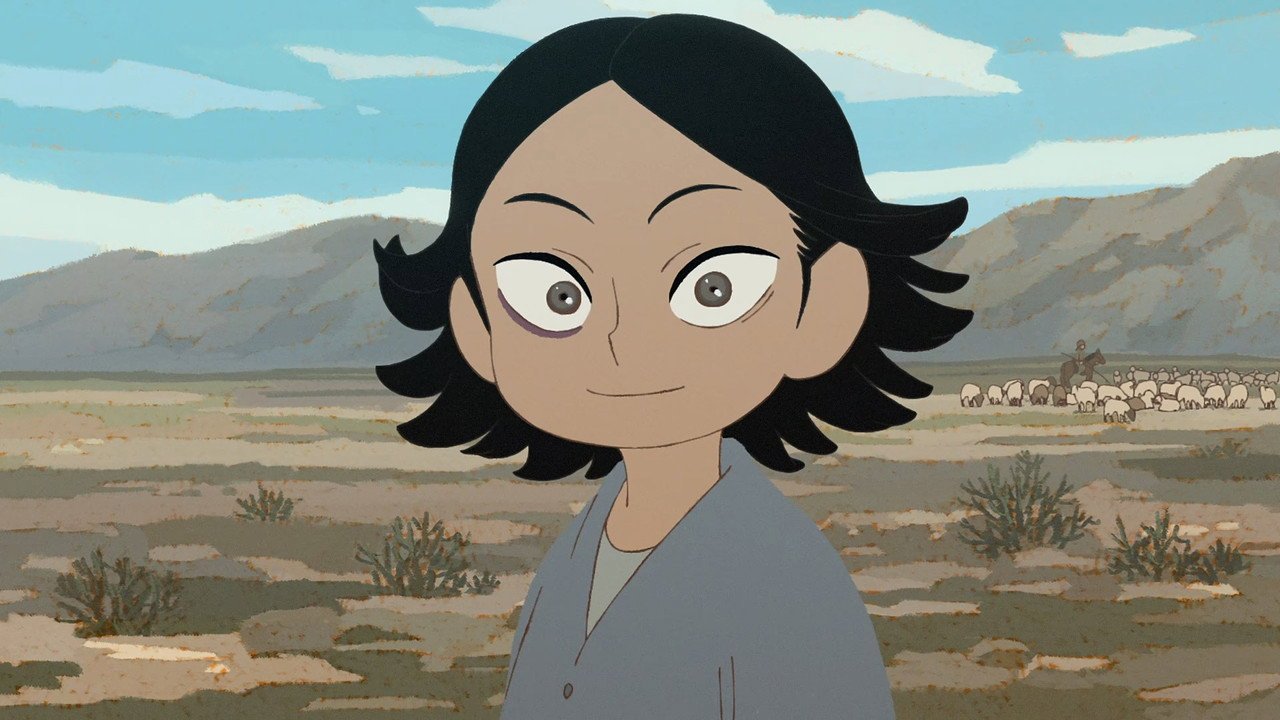
A slave girl named Sitara is taken into a scholar’s household, ends up tutoring Genghis Khan’s daughter in Euclid, and gradually becomes a piece on the board of the Mongol conquest. It adapts Tomato Soup’s manga, Science SARU produced it, Kanichi Kato of Black Clover and The Eminence in Shadow runs the scripts, and it premiered on July 4 with its first two episodes broadcast as a one-hour special. It is doing the thing where a show nobody has heard of turns out to be the best thing in the room.
The evidence is unusually clean. Anime News Network ranks episodes rather than seasons, and in its reader poll for the week of July 29 to August 4, Saga of Tanya the Evil took first place, Jaadugar took second and The Ghost in the Shell took third. By the cumulative table as of August 4, Jaadugar sat at the top outright — ahead of a franchise nine years into its sequel and a reboot with a 1995 film hanging over it, while the winner was a historical drama about a Mongol slave girl that a few hundred people had queued for in June. Those are episode-by-episode votes rather than a beauty contest, which is exactly why they are worth quoting. People who watched the week of it put it at the top.
It is also close to a self-contained season rather than a two-cour commitment, so you can be finished before the year turns. One warning: the pacing is deliberate and the conquest is played seriously. This is not a story about a clever protagonist outsmarting everyone. It is a story about knowledge, captivity, and what a person is willing to do to survive a historical process.
Saga of Tanya the Evil: Nine Years, One Cour
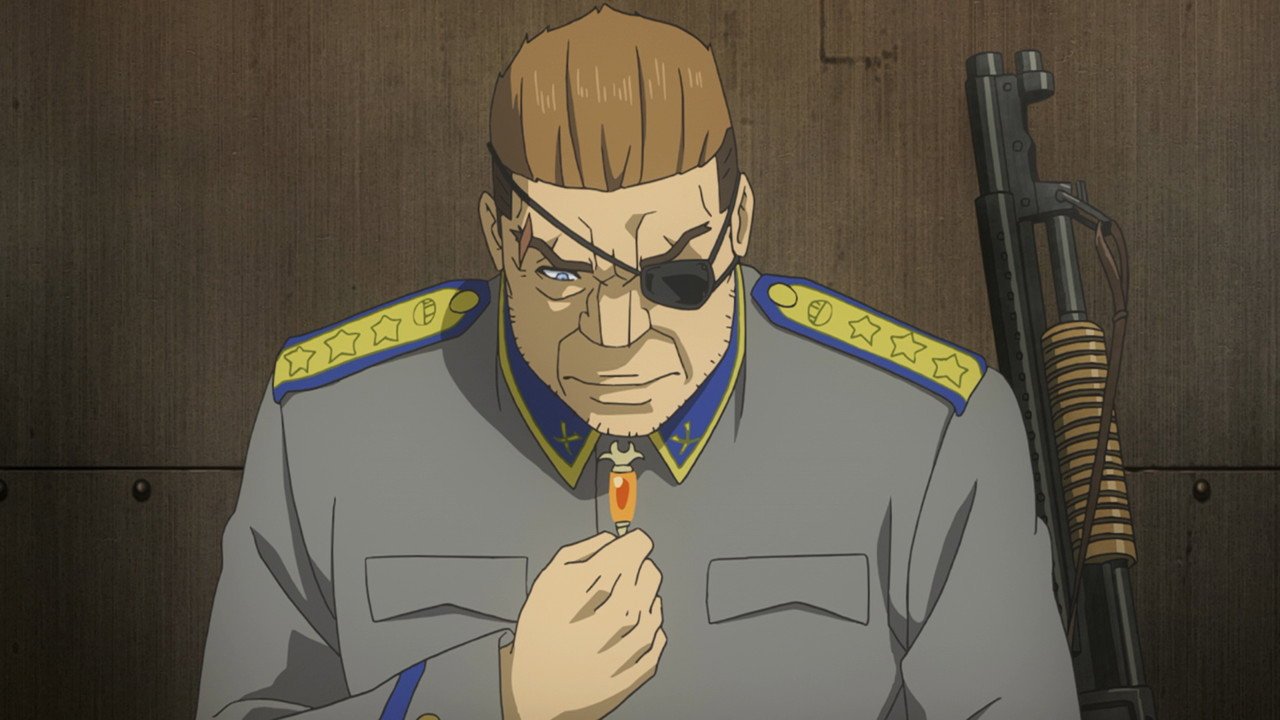
The most patient franchise in anime spent nine years between television seasons, and the payoff landed this summer: a second season with a new director in Takayuki Yamamoto, a new studio in NUT, and Aoi Yuki still voicing the most relentlessly cheerful child soldier in military fantasy. It started in July and ran weekly through late September, which makes it the easiest thing on this list to schedule. Start it in October, finish it before Halloween, and you are current before the winter season starts discussing itself.
The nine-year gap is the point rather than an excuse. The first season aired in early 2017 and stopped on an open note; the 2019 feature film picked the story straight back up and gave the war a shape the television never had. A sequel that arrives after all that is not obliged to be gentle, and this one does not try. It picks up with Tanya back at the military academy, training for a war that has not started yet, and it is noticeably less sentimental than the show most people fell in love with.
Watch that feature film between the seasons. It is a theatrical release rather than an OVA, it continues directly from the first season, and it explains several decisions the second one assumes you have already seen. Skipping it is the single easiest way to get this show wrong.
Solo Leveling: The Cheapest Catch-Up On the List
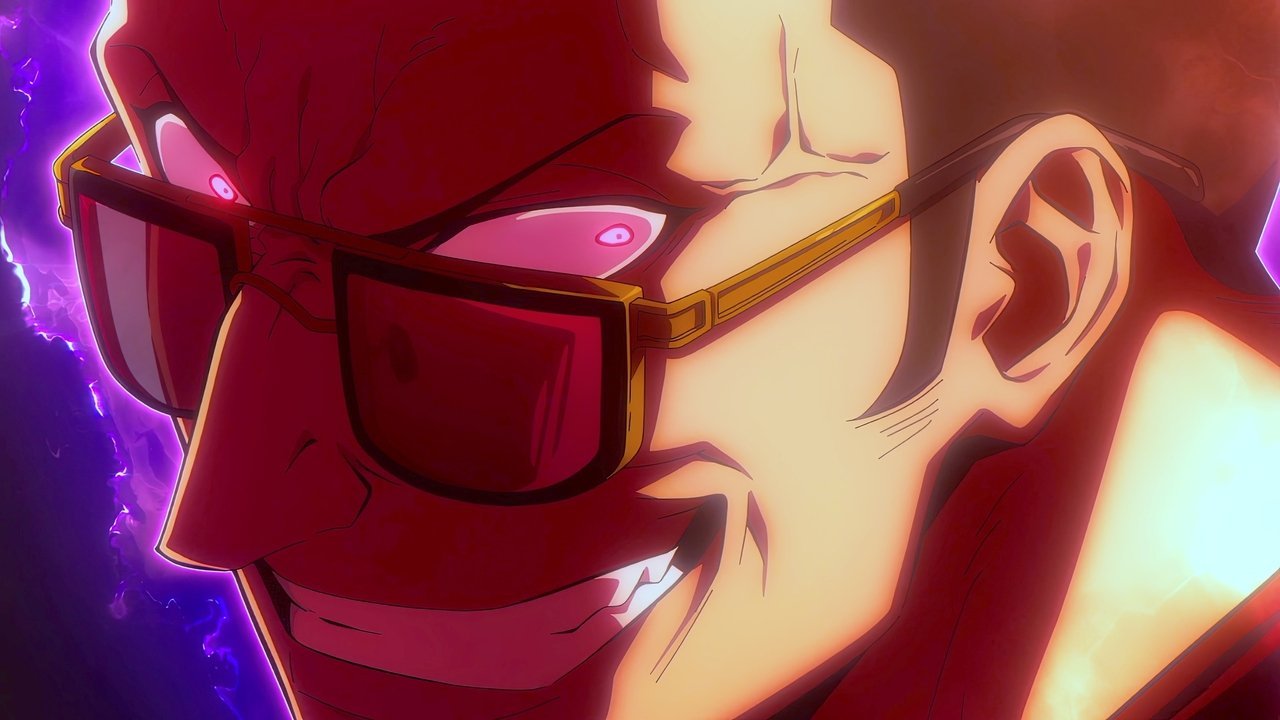
Twelve episodes, then thirteen, all of it on Crunchyroll, all of it finished. Solo Leveling is the shortest complete story in modern shonen you can begin on a Sunday and close the following Sunday, and there is no announced third season, which means nothing you start now gets complicated by a premiere date. Complete, cheap, and no immediate sequel: that combination is rarer than it has any right to be.
The fight animation is the argument. A-1 Pictures found a way to make a webtoon about a man with an unfair advantage look like a shonen from 2005, which is the highest compliment available to a modern adaptation. The story underneath is thinner than the production. The protagonist’s interior life is a straight line, and most of the supporting cast exists to be rescued at the correct dramatic moment.
Watch it anyway, and then go straight to Witch Hat Atelier, because the two are the same argument made with opposite tools.
Frieren: Beyond Journey’s End: Start It Now, Not In 2027

The second season ran ten episodes and finished in March. The third season is dated for October 2027. That leaves one specific window — right now — where Frieren is a completed story you can watch at your own pace, and a not-very-distant future where it is an active franchise with a finale to catch up on and a conversation you would be entering from behind.
The show earns the patience it asks for, which is the whole argument for watching an older series late. Frieren is about the fact that people die and you find out what they meant years afterwards, told at roughly the speed observation actually happens. Nothing important is resolved in the week it comes up. If you bounced off it because episode four felt slow, that is the show telling you the truth about itself, and what it is building toward is enormous.
Budget the time honestly. The first season is a long one and the second is short, and both sit on Crunchyroll. Do it in November, when the fall noise has died down and you have nothing else queued.
One warning, since the long first season is where people quit. The first three episodes are the quietest stretch in the show: a lot of walking, a lot of looking at things, and a funeral that could reasonably have been an episode of filler. It is not filler. The series is telling you what it is going to cost before it charges you for it, and every arc that follows is easier to enjoy because you were given the baseline. If you stop at episode four, you have sampled the introduction and none of the argument.
Dorohedoro Season 2: The Six-Year Wait That Paid Off
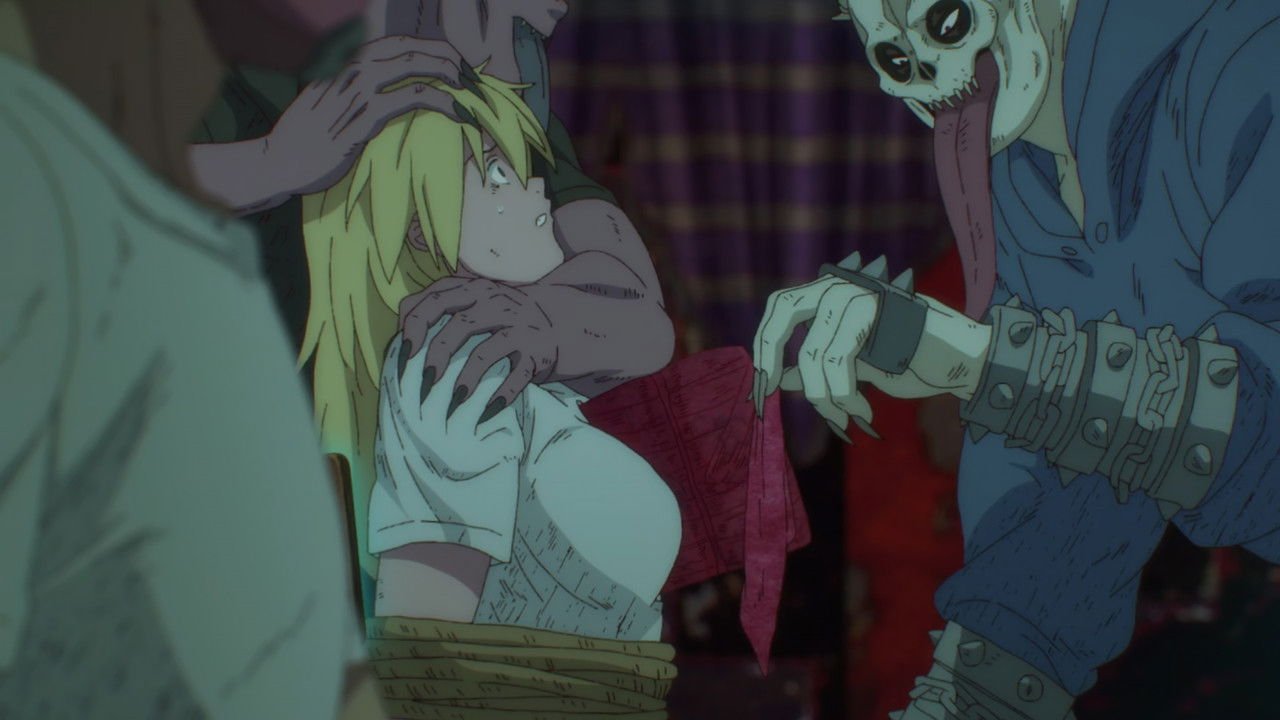
The first season of Dorohedoro was animated in 3D and looked like a video game cutscene of a comic that was never a video game. Six years later MAPPA went back to the manga’s actual language — flat, grimy, hand-drawn 2D — and produced the rare sequel that is not merely better but corrected. If you bounced off season one, going back to it is now a legitimate decision, because the reason you bounced has been fixed.
It is also one of the few genuinely cheerful pieces of adult fantasy television currently in circulation, which sounds like a contradiction until you have seen a show where a cleaning service and a sorcerer argue about head storage while the city quietly falls apart. Q Hayashida’s world is genuinely nasty and this adaptation is fond of it, which is a hard balance and this one lands it.
It aired this spring and it is done. Nothing is coming in January. Start it in December, when you want something that respects your intelligence and never asks you to be sad.
Three More From Spring 2026 Nobody Suggested To You
Same season, same editorial list as Witch Hat Atelier, three more that deserve a slot if your taste runs stranger than the Fall slate assumes. All three are finished, which is the entire pitch.
Yomi no Tsugai is a new series from Hiromu Arakawa, the Fullmetal Alchemist and Silver Spoon author, animated by bones film, and it made the same top-ten cut. It is a rural fantasy set in a Japanese prefecture that reads like an actual place rather than a soundstage, and Arakawa’s gift for writing agricultural detail is the whole appeal. If you read Silver Spoon for the farming rather than the comedy, this is the same instinct with the jokes removed.
Needy Girl Overdose is the one to try if you have never seen anything remotely like it. It is about a streamer with ten million subscribers having a terrible month, written by people who understand that being online is a job with a burnout curve, and one of the Anime News Network editorial staff’s picks of the whole spring was the season’s most cynical and its most specific at the same time. That is a harder trick than it sounds.
Nippon Sangoku is the safest of the three and the most immediately watchable: a near-future Japan carved into three warring territories, from Twin Engine, on Prime Video. If you want one show from last season that plays like television instead of like homework, take this one.
What You Can Still Catch From Episode One In October
This is the part of the list with real deadlines. Everything below premieres early enough that you can finish the whole thing before the calendar turns, and late enough that you have not missed a single episode yet.
October 2 is the crowded one: Overgeared, where the protagonist is a blacksmith inside a massively multiplayer game and the entire economy runs through crafting instead of combat, plus The Apothecary Diaries Season 3 and Tokyo Revengers’ final arc. October 3 brings Ranma 1/2 Season 3. October 4 has Aoashi Season 2 and Blue Box Season 2. PSYREN premieres October 5, which is a Weekly Shonen Jump manga that ran from 2007 to 2010, was well liked, and never got adapted until now. Firefly Wedding arrives October 9, and Suikoden is due sometime in October.
You are not starting all of those. Pick two — one new adaptation and one sequel, and not the Apothecary Diaries, for reasons below — and you will have finished both by Christmas. The seasonal anime guide on Otaku is the right tool for cutting the rest of the fall slate down to something you will actually finish.
Late October: Two Commitments With Different Shapes
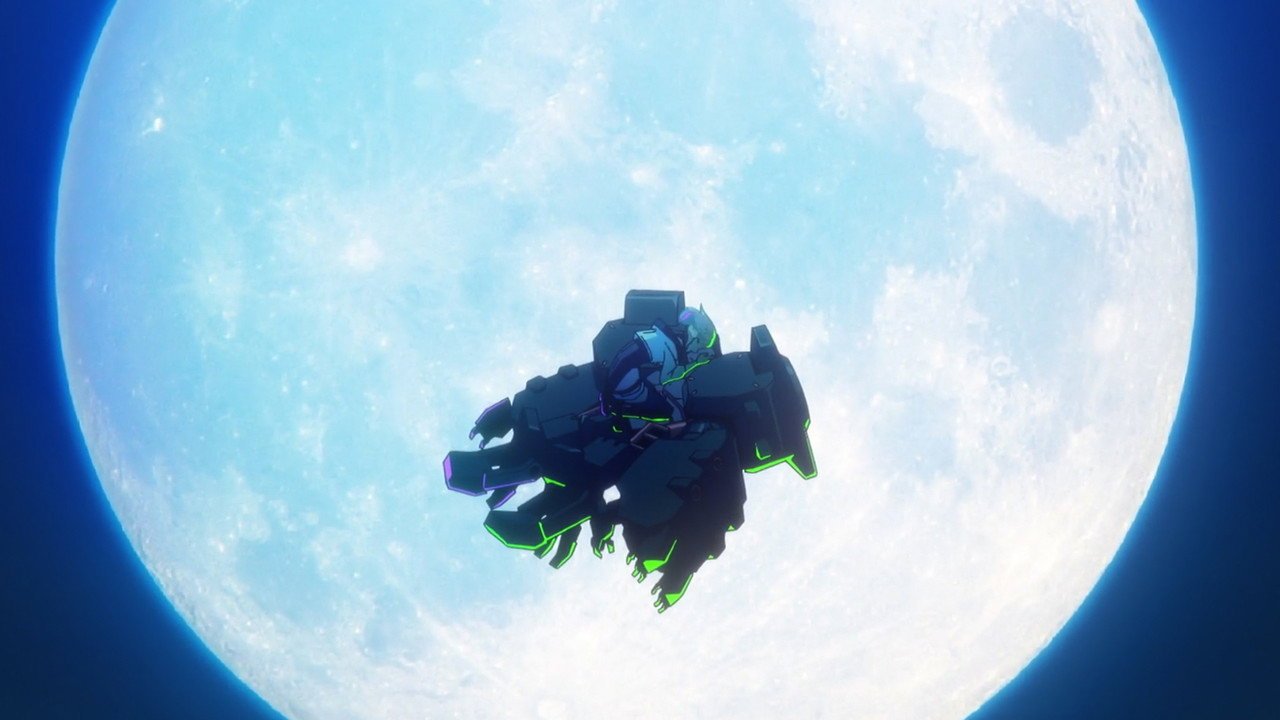
October 20 is Cyberpunk: Edgerunners Season 2 on Netflix, and the first season is ten episodes long. There is no clever way to arrive at the sequel cold and no reason to try. Start the original in October, finish it before the 20th, and you are one of the people reacting to the trailer instead of to a summary of the trailer.
October 25 is the My Happy Marriage special, and this is the date people get wrong. It is three episodes, all three arrive on the same day, and it is not a third season. Anime News Network reported the October 25 date alongside the same-day release of the entire special, a teaser trailer and a returning ending theme for a show that is otherwise a slow, quiet, extremely well-acted period romance. Watch it as one evening, not as a weekly obligation. That is the entire difference between a good night and a ruined autumn.
Both of these reward a plan more than a hype cycle. One is ten episodes you finish before the sequel even exists. The other is a single sitting. Neither needs three slots in your queue.
What To Leave Alone Until It Stops Being New
Black Clover Season 2 and Suikoden: The Anime are the rest of the fall slate I would not open in October. Neither is bad. Suikoden is an adaptation of a legendary strategy role-playing game with a hundred and eight Stars of Destiny, which sounds like a good time and plays like a commitment. Black Clover is a very large shonen with a very large cast, and a very large shonen is at its worst in a month when six other things are premiering around it.
The rule underneath all of it is simple: a weekly slot in October is a weekly slot in November, and that is where the autumn gets lost. The two shows named above as October premieres are the only ones worth starting early, and even those are a ceiling rather than a floor. This is the real failure mode of a busy autumn — not a shortage of things to watch, but a queue of eleven things competing for the same Tuesday night.
Apothecary Diaries Season 3 deserves its own warning. The first half starts in October and the second half does not arrive until April 2027, so starting it means committing to a story that stops in the middle and leaves you hanging for six months. That is a legitimate choice for a committed viewer and a bad one for a casual slot.
Keep the queue clear for the things with real lead time instead. WIT Studio’s One Piece remake puts its first seven episodes up at once on Netflix in February 2027. Kagurabachi, the sword-action manga that went from an internet meme to a genuine phenomenon, debuts in April 2027. Sekiro: No Defeat, which opened in Japanese theaters in September as a film, arrives as an eight-episode television series in January. Each of those is a show you will be glad you had free months for.
The Actual Plan
Eight slots, ordered by deadline rather than by quality. Nothing here needs more than one commitment, and nothing here competes with the January wall:
- Now, before October: Sakamoto Days, episode 1. Twenty-two episodes on Netflix, and the January sequel is non-negotiable.
- Late September into early October: Witch Hat Atelier, all of it. Season two is coming and you want to be current.
- October, before the 20th: Cyberpunk: Edgerunners season 1.
- October and November: The Ghost in the Shell, then Jaadugar: A Witch in Mongolia as it finishes airing.
- November: Solo Leveling, start to finish, in one weekend.
- November and December: Frieren: Beyond Journey’s End, both seasons, at its own pace.
- December: Dorohedoro season 2, and Saga of Tanya the Evil season 2 if you have somehow waited this long.
- Sometime in October: two fall premieres. My picks are Overgeared and PSYREN.
That is a full autumn of watching that leaves December clear and January survivable. The upcoming releases page is where the confirmed dates live, and it is worth checking it against this list before the season starts moving.
And when a premise on this list is not something you can judge from a title, ask. AniPick turns your taste into an actual queue, Otaku gives you a straight answer about whether a show is worth the hours, and RolePlay drops you inside one of them when you have finished it and want to argue with somebody about it.