
There is a specific kind of anime drought that arrives every year around the third week of December. The fall season runs out mid-cour, the shows you opened on a whim get quietly abandoned, and the January slate is so dense that choosing from it feels like a decision you are not qualified to make yet. So you browse for two weeks, find nothing, and tell yourself you will start something in the new year. February arrives. You have watched three episodes of something and you are calling it a hobby.
The mistake is treating January as a cliff edge. It is not. Winter 2027 is already stacked, and a good chunk of it was confirmed months ago by the same people who ran the fall slate you just finished. Sakamoto Days is coming back under a new director, Shangri-La Frontier has a January 10 date and two cours of runway, a shoujo manga that ended in 2014 finally got picked up, and the Sekiro film turns out to have a longer, better television version. Then there is the second layer: The Apothecary Diaries’ third season does not finish until April 2027, and Kagurabachi lands the same month.
None of this is a scramble. It is a calendar. The only real work is deciding what to start in the last weeks of 2026 so that the January crush lands on an already-organized queue instead of an empty one.
The Empty Queue Problem
Anime seasons break twice a year. The first break is the gap between a summer cour ending and the fall lineup landing, roughly eight weeks and mostly survivable. The second break is December, and it is worse, for two reasons. The fall shows you were actually enjoying have finished or paused, and there is no filler season built to catch you. And January is the most competitive premiere month of the year, so by the time you have read enough announcement posts to narrow your choices, the season has started without you.
The conventional advice — build a watchlist early, keep long-running shows going through the winter, never let the queue hit zero — is correct and also useless alone, because it never tells you what goes in the queue. The upcoming releases page covers the mechanical half: dates, services, which platform holds which licence. The other half is fit, which is what the rest of this guide is for.
The useful framing is that fall 2026 ran unusually long. A lot of what you started in October is paused, not finished, and several shows will sit still until spring. If you know which ones, you can hold your place instead of abandoning them at episode nine.
What Fall Actually Leaves You
Be precise about the tail of the season you are leaving. The bulk of the fall slate premiered in a ten-day sprint from late September to early October, which is why it feels front-loaded. Crunchyroll’s lineup announcement on September 15 covered more than forty titles. By November the calendar thins out sharply.
Some things carry over past December on purpose. The Apothecary Diaries Season 3 is the clearest case: the first cour started October 2 at 11 p.m. on Nippon TV’s Friday Anime Night block, the second is confirmed for April 2027, and a film sits in between on December 11 carrying an original story by the light novel’s author Natsu Hyuga. That film is the only new Apothecary Diaries content most viewers will see in 2026.
Then there are the small late premieres that barely register on a schedule page: Production I.G’s Devils’ Crest on November 6, the ONA Fool Night on November 26, My Happy Marriage special episodes on Netflix on October 25. None are events, and all are reasonable things to have on when you want something that doesn’t demand your full attention in the weeks when nothing big is airing.
So the December plan is two jobs at once. Finish what you started, and pick one January show now so that the month begins with you joining a conversation instead of starting one.
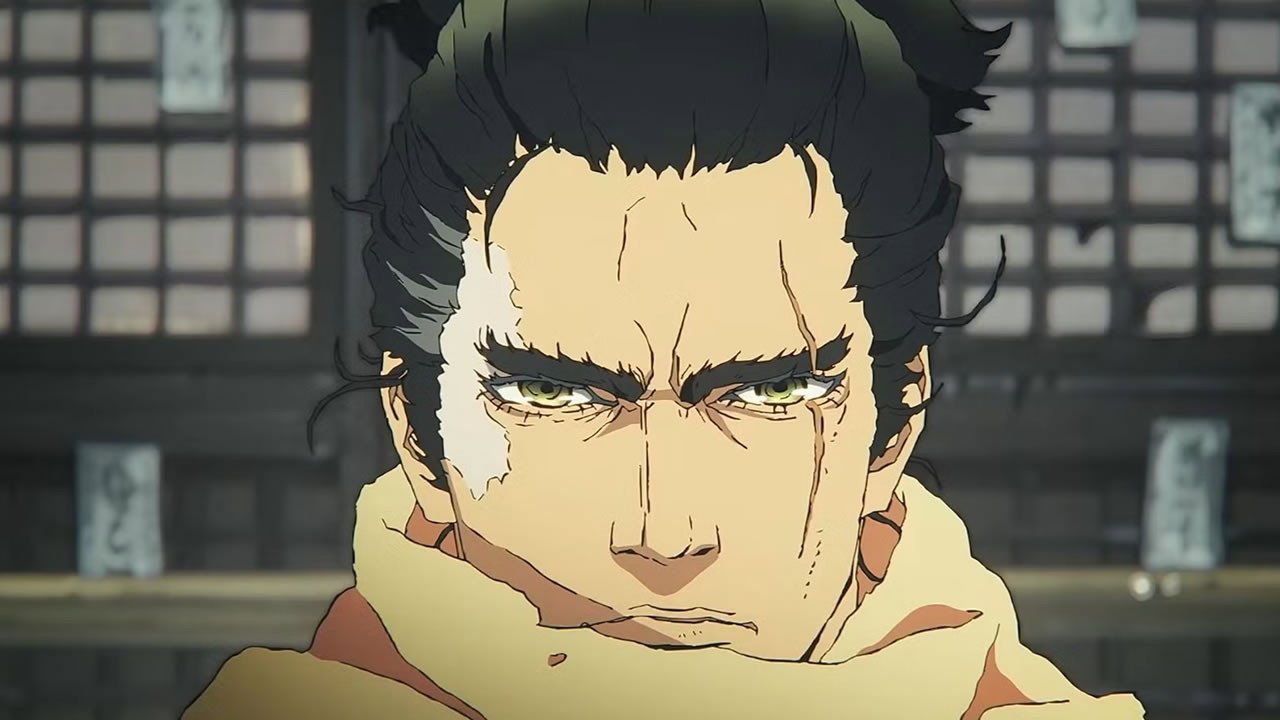
Sekiro: No Defeat: The Format Change That Fixed It
Sekiro: No Defeat is the most interesting scheduling story of the winter, and the reason is that it got better. The film opened in Japanese theaters on September 4 for a limited three-week run, took ninth place, and pulled 99,842,200 yen — roughly $649,000 — over its first three days. Enough to earn additional screenings from October 2. It also screened out of competition at Annecy, which is not a small signal about how the animation was received.
Then the producers did something unusual. On September 24 they announced that the project had an eight-episode television version premiering in January, with new episodes and new cuts added to reconstruct the film rather than just cut it into parts, and that Crunchyroll streams it worldwide, excluding Japan, China, Korea, Russia and Belarus. Producer Tetsushi Suzuki went further and apologized for the confusion, explaining that the eight-part series was the original plan and the theatrical cut was a condensed edit released early as a preview.
That last detail changes how you approach it. The streaming date is January 2027, with episodes landing weekly, and weekly matters here: Sekiro’s combat is built on reading an attack and answering it, and a weekly drop gives you room to sit with the difficulty instead of bingeing into a wall. The game’s own cast reprised their roles — Daisuke Namikawa as Wolf, Kenjirō Tsuda as Genichiro Ashina, Shizuka Itō as Emma — with Kenichi Kutsuna directing at Qzil.la and Ryuichi Sakamoto’s “Blu” as the theme.
If you saw the film in Japan, the series still has material you haven’t. If you didn’t, the series is the better version. Either way this is a January show with a fixed date, which makes it the easiest thing on this list to plan around.
Sakamoto Days Season 2: The Return With a New Director
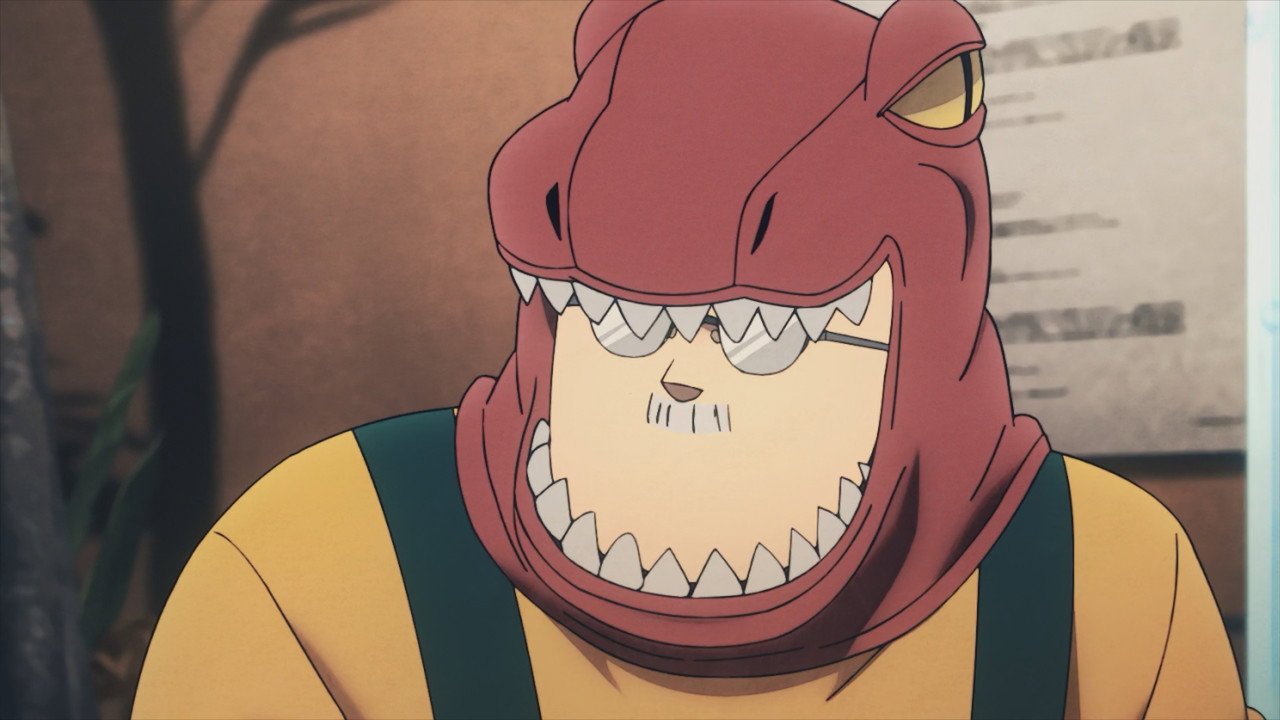
Sakamoto Days had an odd first season. It was completed across two separate 2025 cours, and somewhere in that stretch the show had to work hard to justify the premise — a former assassin legend running a corner store and raising a family — while the actual assassin plot kept pulling it back toward the genre it came from. Season two leans into the fix. The trailer makes it obvious: Sakamoto and Shin go undercover, Sakamoto disguises himself as an education trainee and Shin enrolls as a real student at the JCC, the Japan assassin training organization, to mine it for information on a group called X.
The date is January 2027, worldwide on Netflix as a Netflix exclusive, with Daisuke Nakajima, who directed the Season 1 finale, taking over and Masaki Watanabe moving to supervising director. TMS Entertainment, series composition by Taku Kishimoto, character design by Yō Moriyama and Yūki Hayashi on music all return. New cast includes Kikunosuke Toya as the student Amane, Misa Watanabe as Etsuko Satōda, and Shinshū Fuji as Yotsumura, one of ORDER’s founding members.
Two practical notes. The manga has passed 18 million copies in circulation, so the adaptation is working from material that outgrew its original shape a while ago. And this is a Netflix exclusive, which means if your setup is built on other platforms it is a real decision rather than an easy add. The school arc is a cleaner engine than the store, and this is the January premiere I’d bet on being the most fun to watch in real time.
Shangri-La Frontier Season 3: An Arena Arc, Two Cours Long
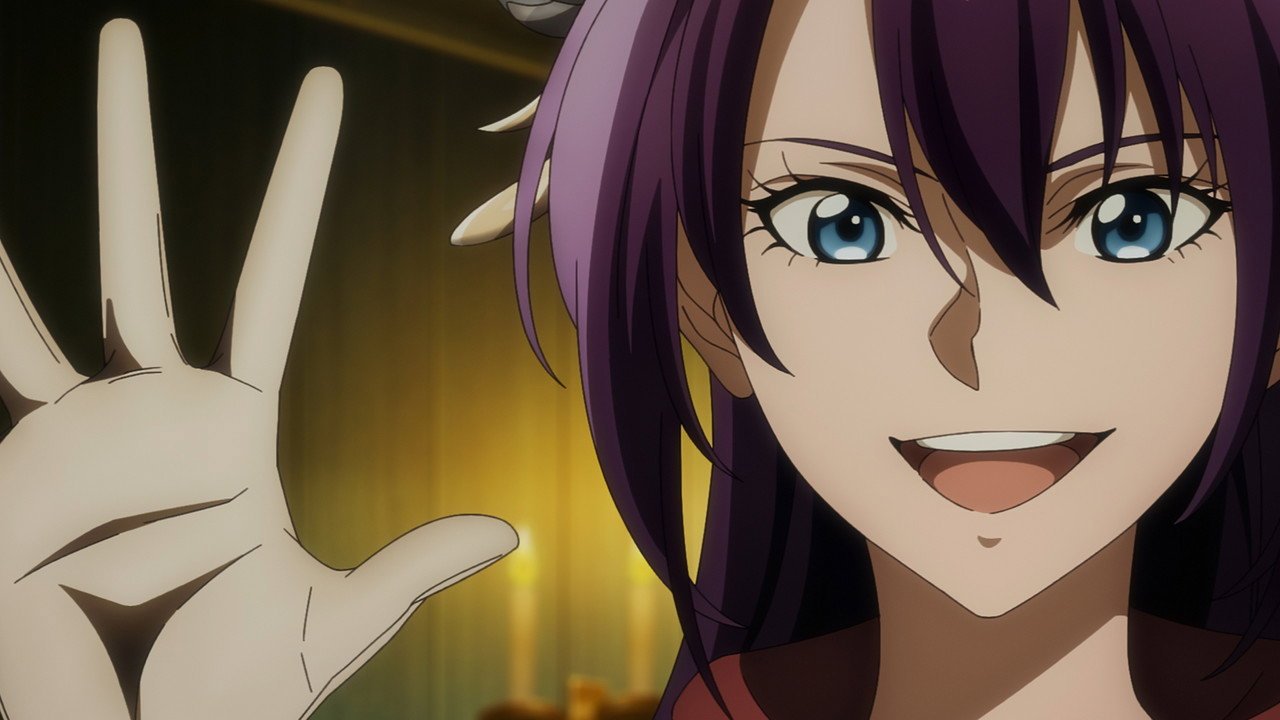
The first two seasons of Shangri-La Frontier were 25 episodes each, and the third runs two consecutive cours. That is a commitment, and it is the main thing to know going in. The story moves somewhere specific: the cast drops into Galaxia Heroes: Chaos, a virtual-reality fighting game, where Rakurou Hizutome and his party collide with an American professional team called Star Rain. Yuuma Uchida voices Sunraku, Rakurou’s in-game avatar, which means the season’s most recognizable role is now a character who mostly exists inside a game.
The date is specific rather than a vague month. The official broadcast announcement set the premiere for January 10, 2027, on Sundays across the MBS and TBS network’s 28 stations, with a third key visual carrying the tagline “Chaos erupts”. C2C continues to animate. Streaming was settled before that news broke: Crunchyroll carries season three worldwide outside Japan and China, and the first two seasons sit across Crunchyroll in 103 territories and Netflix in 106 others.
The two-cour structure changes how you approach it. This is not a show to start in February and try to catch up on. The VR setting is a genuine creative reset too: a ranked ladder gives the franchise a reason to rebuild its combat language around competition, which is a problem the source material has never had to solve.
Dengeki Daisy: Thirteen Years, Six Months, Studio Deen

The longest gap on this list belongs to Dengeki Daisy. Kyousuke Motomi’s shoujo manga ran in Betsucomi from May 2007 to October 2013, finished its sixteenth and final volume in February 2014, and was licensed for English by VIZ in 2010. Since then it has been one of those titles fans mention with a specific kind of resignation, in the same breath as other Motomi work. An anime was never impossible. It was never close either.
Then in September 2026, at the Kyoto International Manga Anime Fair, the first main promotional video landed with a date: a January 2027 debut running two consecutive cours, a continuous half-year, with Crunchyroll streaming. It is the longest single stretch of new episodes on the winter slate. Broadcast stations were still unannounced at that point.
The production details are encouraging rather than alarming. Souta Ueno directs at Studio Deen, Sawako Hirabayashi handles series composition, Masaru Yokoyama composes, and Tomokazu Sugita voices Souichirou Kurebayashi. A half-year commitment is a real ask from a series that ended in 2014, and it is the one item here where the risk is the schedule rather than the material. But thirteen years between the last volume and this premiere, plus a studio committing to a continuous two-cour run instead of a cautious twelve-episode order, says something about how much runway they were given.
Bless: A Fashion Manga on Noitamina
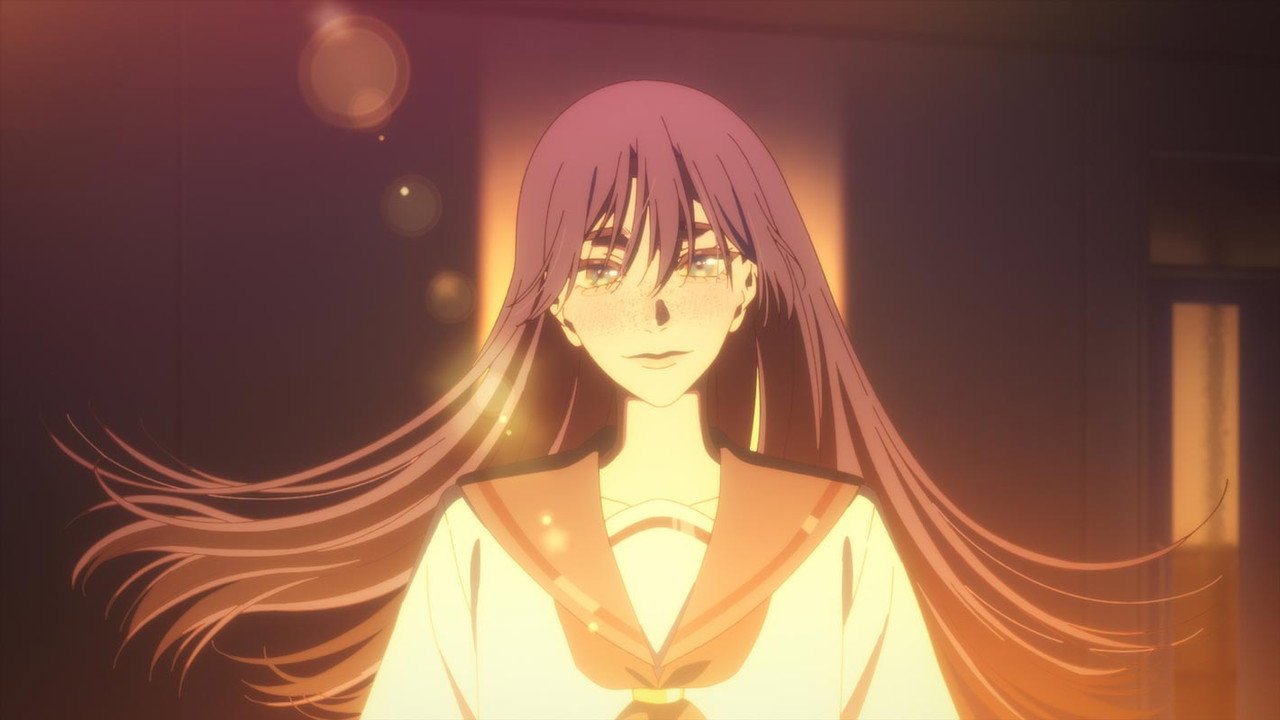
Bless is the winter premiere most likely to be underestimated, mostly because of the name. Yukino Sonoyama’s manga is a fashion story, and “fashion anime” has not exactly been a category people queue up for. The slot it was given is the informative part. The Bless anime debuts in January 2027 on Fuji TV’s Noitamina block, which is where the network puts what it actually wants adults to watch. That is not a dumping ground.
The assembly around it is similarly deliberate. A-1 Pictures animates, with Shotaro Kitamura — of Makeine: Too Many Losing Heroines! — directing, Fukuro Kamiza on series composition, Honoka Yokoyama on character design, and Ryo Yoshimata of After the Rain on music. Tomohiro Ōno voices Aia Udagawa and Chiyuki Miura voices Jun Sumisaki, both unveiled with individual character trailers at the Aniplex One Focus stream in September. A One Focus is an event the studio holds when it has something it wants to sell you directly.
The source has an unusual history. It ran in Kodansha’s Shonen Magazine Edge from the February 2022 issue to the November 2023 issue, then moved to Monthly Shonen Sirius, where it has continued since February 2024. A story that survives a magazine transfer and stays serialized usually has a committed readership, and the menswear-and-class-structure core Sonoyama built is exactly the material Noitamina’s audience shows up for. If your January is currently three battle shonen and a gacha adaptation, this is the one that breaks the pattern.
Akane-banashi Season 2: The One That Took the Whole Block
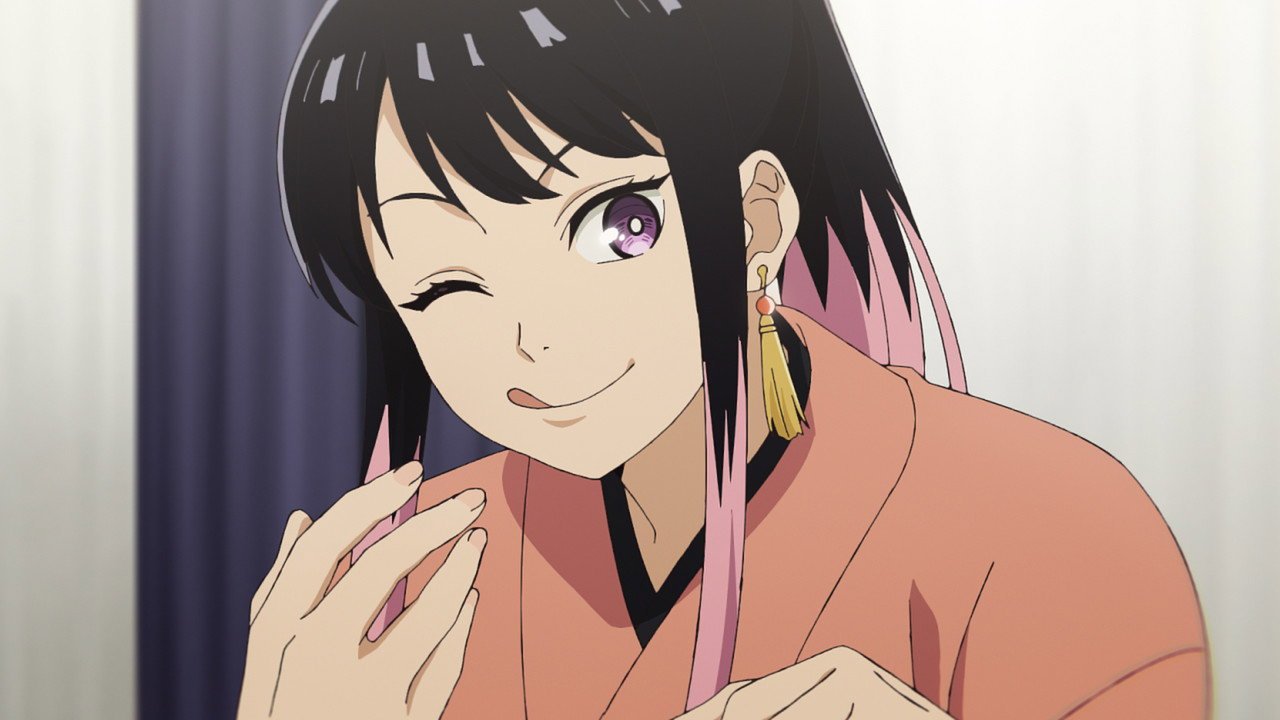
Akane-banashi is the success story of the past two years, and the numbers behind it are strange. A rakugo drama with no fighting, no explicit comedy and no romance launched as a manga in Weekly Shonen Jump — a magazine that had no business publishing it and benefited enormously from doing so. The anime premiered on TV Asahi’s IMAnimation block in April, ran to the end of its Karaku Cup arc, and was immediately renewed. The second season was announced for January 2027, subtitled Zenza Shugyou-hen — the apprenticeship arc.
That subtitle is the whole hook. Season one was about a girl with an extraordinary ear for rakugo trying to survive an industry that humiliated her father, and it refused every shortcut available: no tournament-arc escalation, no surprise power, no instantly-beloved mentor who solves things for her. Season two starts her actually training. She graduates high school and becomes an apprentice to Shiguma Arakawa, taking the professional name Akane Arakawa.
There is a distribution footnote worth knowing. The show has its own Akane-banashi Global YouTube channel carrying full episodes free in North America and Latin America after the Japanese broadcast, and Netflix debuted the English dub for the first two episodes on May 17 with later episodes following weekly. The barrier to catching up is lower than the Jump label suggests, and January is the window where it costs least.
For a show whose entire appeal is that it kept making hard choices in a genre built to punish them, a full second cour on a major terrestrial block is close to the best possible outcome. January has room for exactly one thing that asks you to be patient, and this is a better candidate than most of what else is queued up.
The Apothecary Diaries: A Season That Ends in April

Here is the crossover that catches people, and it deserves its own section because it changes how you watch everything from October onward. Season 3 is not a twelve-episode season. It is a two-part broadcast, and the split is confirmed: the first cour began October 2 at 11 p.m. on NTV and its affiliates, and the second cour premieres in April 2027. In between, a film opens in theaters on December 11 with a new story by the light novel’s author.
The material also shifts scale, which is presumably why the split exists. Season three opens with Maomao back in the pleasure district after the Shi Clan rebellion, where a strange breakfast at the Verdigris House triggers a new mystery while Jinshi — now openly the emperor’s brother — is troubled by the last message Loulan left him. Rumors of an immortal maiden in a time of coming famine push the story well outside the capital. That is a bigger, more public mystery than the previous two seasons, and it takes a year to tell.
Practically, this gives you a four-month reason to stay subscribed through the worst of the winter: the first cour carries you into December, the film bridges the gap, and the second cour lands in April with you already invested. The music side is unusually strong for a show that isn’t known for it — the opening is “Kumo o Nukekazashimo e Watashidake” by Yorushika, and the second trailer put Eve on the ending.
Skip & Loafer Season 2: The April You Waited Four Years For
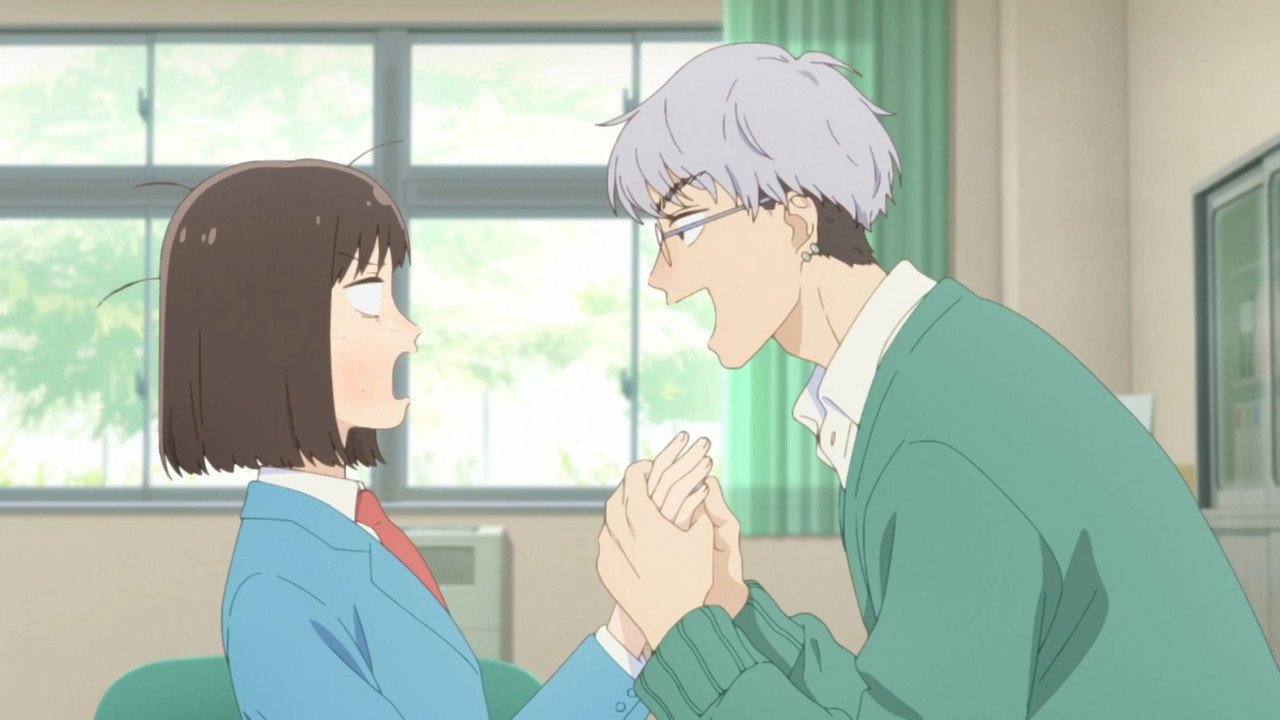
Skip & Loafer had a long wait. The second season was announced back in December 2024 with staff and a visual and no date, and sat in that state for over a year. Then on August 16, 2026 the official site put a window on it: an April 2027 premiere, with Crunchyroll streaming internationally. The teaser runs under a minute and picks up roughly half a year into the story, in autumn, with Mitsumi and Shima back in their school lives and a narration making it clear that nothing has stayed the same.
The core of the show is that it is a very good show about a specific thing: a fifteen-year-old from a shrinking town in Ishikawa Prefecture moving to Tokyo on scholarship, planning a career in the civil service, and slowly discovering that the system she was told to respect is a set of individuals she has to deal with one at a time. Studio P.A. Works animates, Kotomi Deai directs and handles series composition, Manami Umeshita designed the characters. Almost nothing has changed except the date.
April 2027 matters strategically, because it is the same month as the Apothecary Diaries’ second cour and Kagurabachi. That is a genuine three-way collision, and it is the point at which you will be glad you staggered your January. Winter gives you the loud, immediate, high-energy shows; spring gives you the slower ones. Pairing them against each other is what keeps a queue from collapsing.
Kagurabachi: The One Worth Building a Year Around
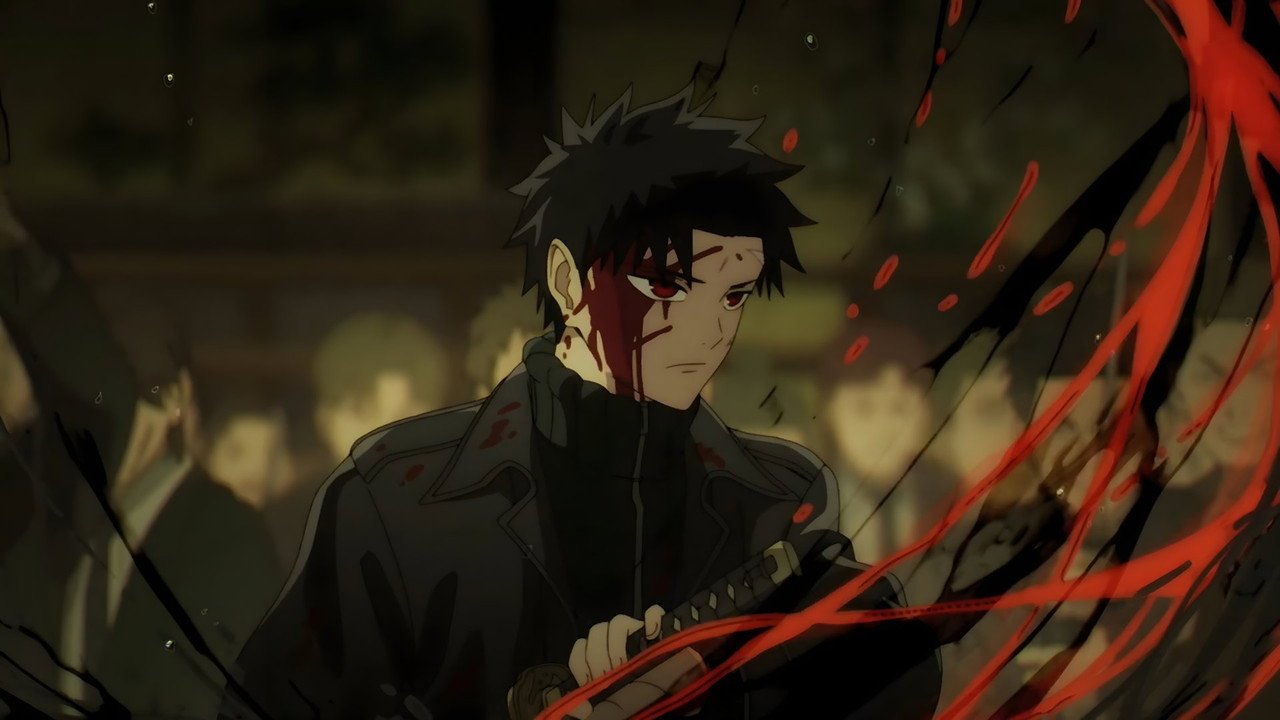
If you take one thing from this guide and put it on a calendar, make it this. Kagurabachi went from a manga people were quietly proud of to the most anticipated new series on the 2027 calendar, and it happens in April. Takeru Hokazono’s Weekly Shonen Jump title was announced for TV in April 2026, and Crunchyroll picked up international streaming rights that June, for an April 2027 debut worldwide excluding Japan, Mainland China, North Korea and South Korea. The manga crossed four million copies in circulation with volume 11 in May.
The team behind it is the strongest argument. Tetsuya Takeuchi directs — action animation director on Sword Art Online II, and the person who did the battle storyboards, episode direction and animation direction on Heavenly Delusion, which is a very legible set of credits for anyone who has watched a good swordfight in the last four years. Keigo Sasaki designs characters, Cypic animates, Taihi Kimura voices Chihiro Rokuhira, Tomokazu Seki plays his father Kunishige, and Katsuyuki Konishi joined as Togo Shiba.
What makes it more than an adaptation announcement is the rollout. The first twenty minutes of episode one are screening internationally as part of a world tour that started at Anime Expo in Los Angeles and ran through Japan Expo, AnimagiC, Otakon and Anime NYC, with a full episode-1 screening in Japan in spring 2027 ahead of the broadcast. That is a producer’s answer to the awkward question of what to do with a passionate fandom and a very violent reputation: show them the thing before the thing arrives.
The show itself is a revenge story. Chihiro’s father, a renowned swordsmith, is destroyed by a sorcerer organization, and Chihiro spends the manga hunting them down with a sword that should not exist. It is dark, dense and fast. If you bounced off it as a long webcomic, the anime is the version with an actual budget behind the action, and April 2027 is when you find out whether Cypic can sustain the momentum.
The October 2027 Tail: Two Returns, One Month
Two things worth putting on a longer horizon, because they change how you pace the year. Frieren: Beyond Journey’s End was announced for a third season in October 2027 on Nippon TV, covering the Golden Land arc, with the teaser visual built around Macht of the Golden Land — one of the Demon King’s Seven Sages of Destruction. The news landed at the end of the second season, and the production team is mostly unchanged, with Tomoya Kitagawa directing, Evan Call on music and Keiichirō Saitō on directing cooperation.
Delicious in Dungeon lands the same month as a Netflix global exclusive. Studio Trigger revealed it at Anime Expo in July, and Kadokawa confirmed an October 2027 debut for the second season on Netflix worldwide. The first season ran 24 episodes from January to June 2024 and adapted 52 of the manga’s 97 chapters, so season two finishes a story rather than opening one.
Neither is a January decision. But knowing they share a month in the same year is a useful planning fact, because it means the back half of 2027 is not empty and the spring does not have to carry the whole year on its own.
How to Keep the Queue From Going Empty
Here’s the short version to paste into a watchlist:
- January 2027 — Sekiro: No Defeat, eight episodes, weekly, Crunchyroll outside five territories. The best-planned arrival of the winter.
- January 2027 — Sakamoto Days Season 2, Netflix exclusive, school-arc infiltration and a new director.
- January 10, 2027 — Shangri-La Frontier Season 3, two consecutive cours, MBS/TBS Sundays, Crunchyroll outside Japan and China.
- January 2027 — Dengeki Daisy, a continuous half-year run, thirteen years after the manga ended.
- January 2027 — Bless on Fuji TV’s Noitamina block, and Akane-banashi Season 2 on TV Asahi’s IMAnimation.
- December 11, 2026 — The Apothecary Diaries film, bridging a first cour that started October 2 to a second cour in April 2027.
- April 2027 — Skip & Loafer Season 2, and the second half of The Apothecary Diaries.
- April 2027 — Kagurabachi. Cypic, Tetsuya Takeuchi, Taihi Kimura. The one worth rearranging a month for.
The plan that survives contact with reality is unglamorous. Pick one January show now, not in January. Finish one thing you already started rather than opening a fifth. Keep something long-running underneath everything else, because the shows that bridge a season change best are the ones that never had a premiere date to begin with. And accept that April 2027 is busy enough that you will have to choose, which means the deciding has to happen in December, not March.
Most of these decisions are mechanical — what aired when, on which platform, for how long — and the seasonal guide over on Otaku is built for that side of it. The harder half is taste: matching a show to what you actually want on a Tuesday, which is what the sustainable watchlist approach is for, and the reasoning behind choosing one when a new anime drops is the subject of the next guide in this series.
And when you want a second opinion before committing an evening — ask Otaku what a premise actually feels like, get a shortlist out of AniPick, or go hands-on with the cast through RolePlay. Winter 2027 will be loud regardless. The advantage is having already decided what you’re listening for.