
It’s a strange thing to say about a fantasy epic, but the reason Frieren: Beyond Journey’s End works is that it’s comfortable being small. The story follows an elf mage who, after helping defeat the Demon King, realizes the human companions who fought beside her are now elderly or gone — and that she never really took the time to know them. What she does next is not a revenge tour or a tournament arc. She goes on a quiet journey of memory, forming new relationships with a new generation, and slowly learning to value the present the way mortals do.
That premise made Frieren one of the defining anime of the 2020s. The manga has passed the 35 million copies mark (it was around 10 million before the anime’s first season), the show won Anime of the Year at the Tokyo Anime Award Festival, and its director, Keiichiro Saito of BOCCHI THE ROCK! fame, has won a stream of awards for a series whose biggest set pieces are facial expressions. It proved that an anime can be slow, philosophical, warm, and genuinely popular all at once.
But here’s the problem that creates: if you loved Frieren, you’re now hunting for the next show that can hit that exact note — and most “if you like X, watch Y” lists just pawn off other fantasy series without checking whether they share the feeling. Frieren’s magic isn’t its fantasy setting. It’s its emotional temperature. So this list is built on the actual ingredients that make Frieren Frieren, with shows that match each one.
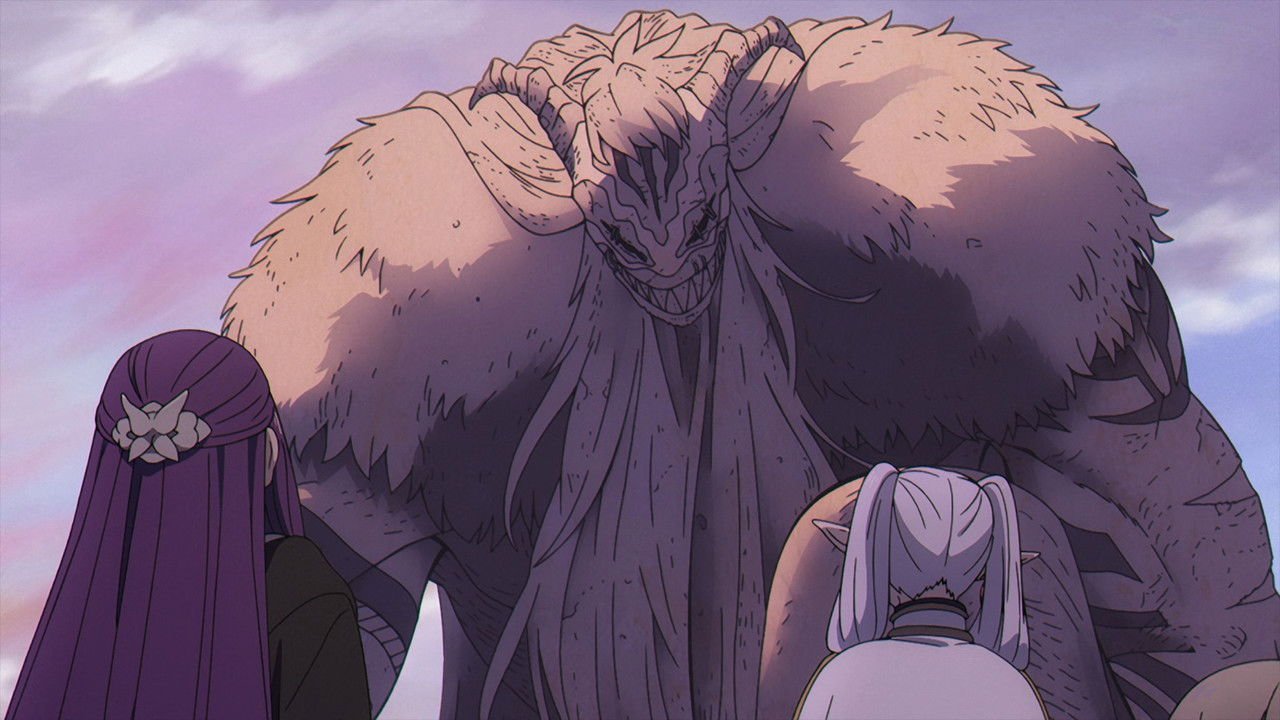
The Four Frieren Ingredients
Before recommending anything, it’s worth separating what people mean when they say they want “something like Frieren.” In practice, there are four distinct cravings hiding under that phrase:
- The slow-burn journey — stories about traveling, not fighting, where walks and conversations are the plot.
- The grief that comes from outliving people — the elf perspective, watching human lifespans pass in the corner of your eye.
- The gentle fantasy slice-of-life — small daily magic, cozy parties, warmth without crisis.
- The understated masterpiece craft — shows with that precise, expressive, quiet direction that makes every frame feel intentioned.
Most Frieren fans want at least two of these. The list below is organized by which ingredient each show most strongly satisfies, so you can match your own craving instead of taking a shotgun approach.
Mushishi: The Closest Show to Frieren’s Soul
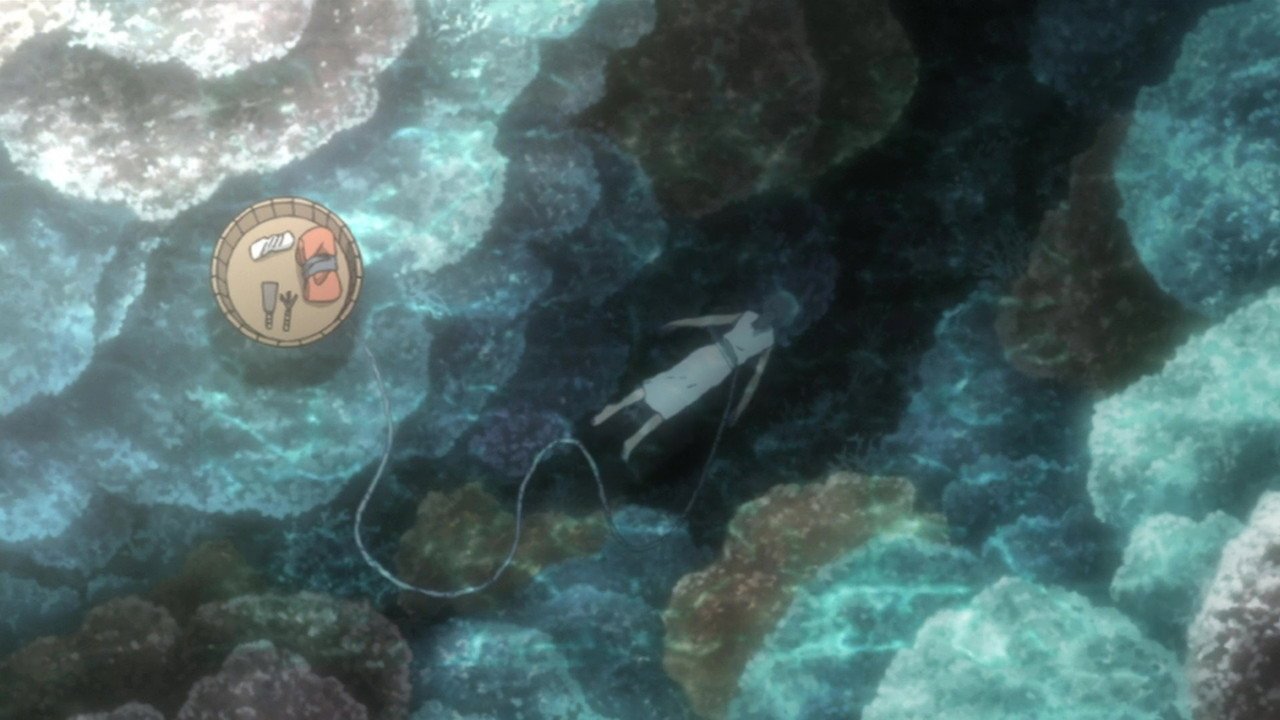
If Frieren had to sign a sibling, it would be Mushishi. This is the single closest spiritual match in anime, and the reason is structural: Mushishi is an episodic series about a traveling doctor, Ginko, who wanders an ancient-supernatural version of Japan solving problems caused by “mushi” — ambiguous life-forms that exist in the space between spirit and insect.
The overlap with Frieren is uncanny. There’s the wandering structure: Ginko shows up, meets a person or a village, understands their particular rupture, and leaves quietly. There’s the observational tone: neither show is in a hurry, and both treat patience as a virtue rather than a pacing problem. There’s the shared melancholy: the people Ginko meets age and change around him while he stays much the same, and he’s profoundly aware of it. And there’s the craft: the background art, the sound design, the sense of wind and water and silence are all doing enormous emotional work with very little dialogue.
The difference is mostly genre packaging. Frieren is a high-fantasy epic with an action-adventure spine; Mushishi is a peaceful supernatural anthology with almost no action at all. If you’re the kind of Frieren fan who treasured the conversations more than the fights, Mushishi is your answer. It’s a finished series, it’s on every major anime streaming service, and it doesn’t ask you to wait for payoff — every episode is its own little elegy.
To Your Eternity: The Immortality Problem, Front and Center

Frieren’s most distinctive emotional idea is that its protagonist outlives almost everyone she loves. To Your Eternity is the show that makes that idea the entire premise. It follows an orb that can take the form of anything it touches — a wolf, a boy, a series of travelers — and learns to care about the people it meets, who are painfully mortal in contrast. Every arc is, in some sense, a quiet goodbye.
This is the right pick if you watched Frieren and said “I want more of the ache.” To Your Eternity is built on the same grief mechanism: a near-immortal protagonist whose growth is measured in how much it can bear to lose. The anime adaptation is a genuine showcase — it has won a pile of industry awards, including Best Drama at the 2022 Crunchyroll Anime Awards — and while it’s darker than Frieren in places, it shares the same core belief that memory is love.
One warning: To Your Eternity commits harder to tragedy than Frieren ever does. It’s not afraid to let loss land permanently. If you want the melancholy of outliving people but need cushioning, this is a two- seasons-long commitment rather than a comfort watch.
Spice and Wolf: The Economy of Being a Couple
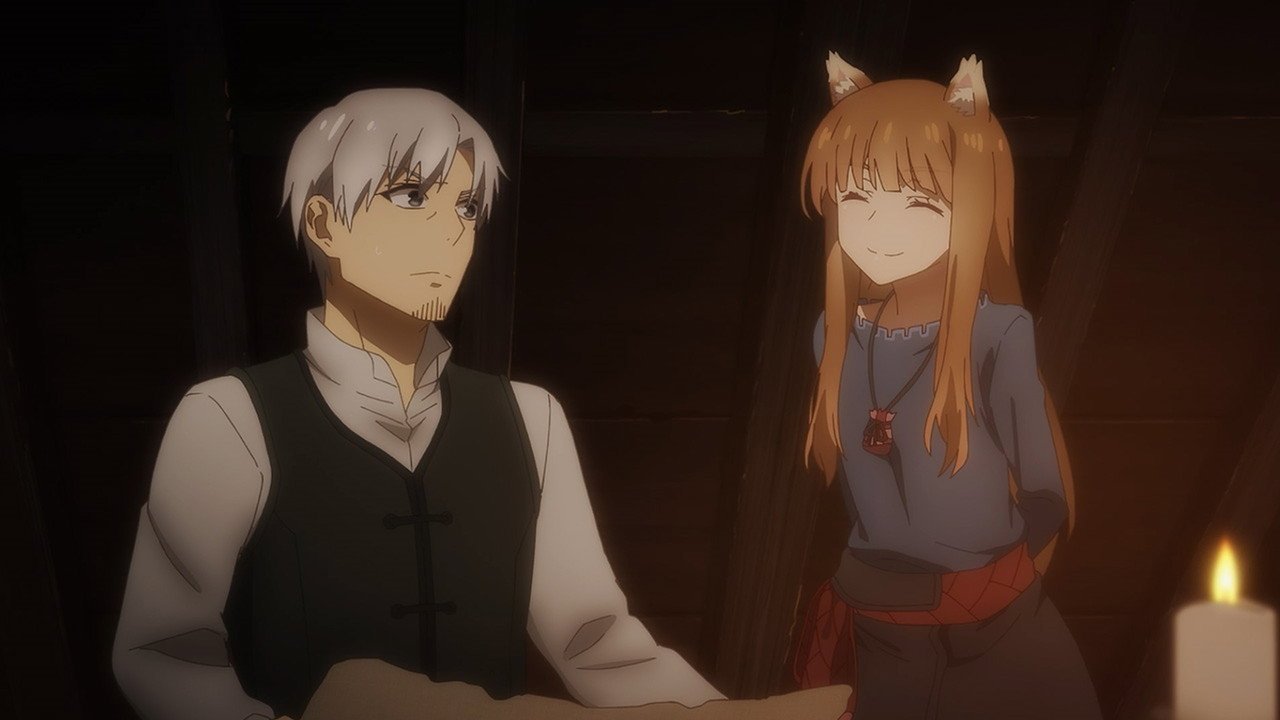
Frieren shares more DNA with the 2024 remake of Spice and Wolf than most people expect. On the surface they look nothing alike — one is a slow-burn elf elegy, the other is a medieval merchant drama about a traveling trader and a wolf deity — but watch them back to back and the similarities sit up at you.
Both are stories about two people who are powerful in completely different ways agreeing to travel together and genuinely liking each other. Both are road stories where the “plot” is economic or emotional rather than combative. Both spend real time on dialects, local customs, and the texture of daily life. And both have a very particular directorial patience — long walks, shared silences, conversations that zigzag instead of resolving instantly.
The 2024 remake is specifically worth mentioning because it was produced with a budget and care the original didn’t get, and it leaned hard into the warm, thoughtful register the source material always had. If your favorite part of Frieren was the Fern-and-Stark dynamic — two very different people slowly learning to share a road and a life — Spice and Wolf hands you a whole series of that exact energy, with banter quality that’s arguably even higher.
Violet Evergarden: Decoding Feelings You Missed
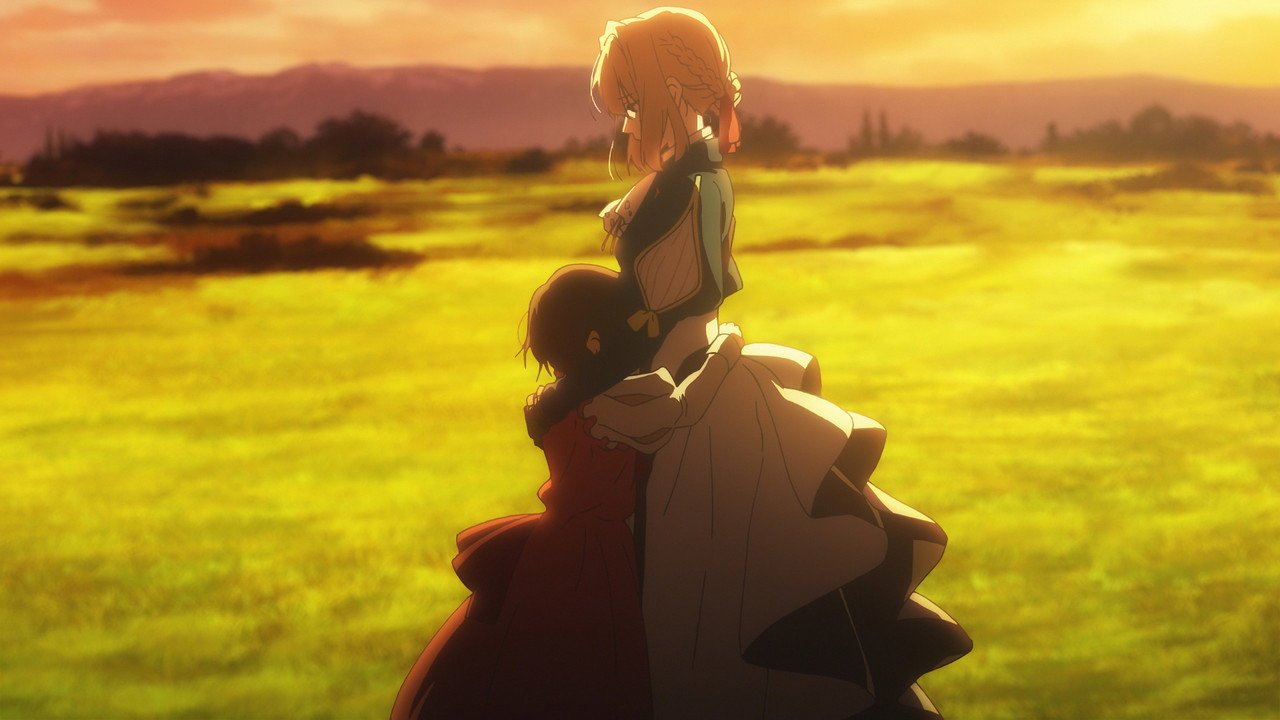
Here’s a Frieren ingredient people don’t always name: the protagonist doesn’t understand emotions, and watching her learn them is the show. Frieren’s elf amnesia about human relationships gets her called a child in an old woman’s body. Violet Evergarden is the focused, concentrated version of that premise.
Violet is a child soldier who, after the war, is given a job writing letters — and discovers she has no idea what feelings actually are. Her arc across the series is learning to recognize, express, and finally understand the emotions that were always there, one letter-writing job at a time, each one a small human drama in an episodic frame. The structure, the pacing, and the quiet grief are all Frieren-adjacent. Even the craft aligns: it’s one of the most beautifully animated TV series of its decade, and the writing trusts silence the way Frieren’s best scenes do.
If you finished Frieren and found yourself thinking most about the scenes where Frieren says something accidentally-hurtful and then slowly catches it, Violet Evergarden is the series that makes that specific mechanism its entire reason for existing.
Land of the Lustrous: Slow Beauty, Existential Quiet
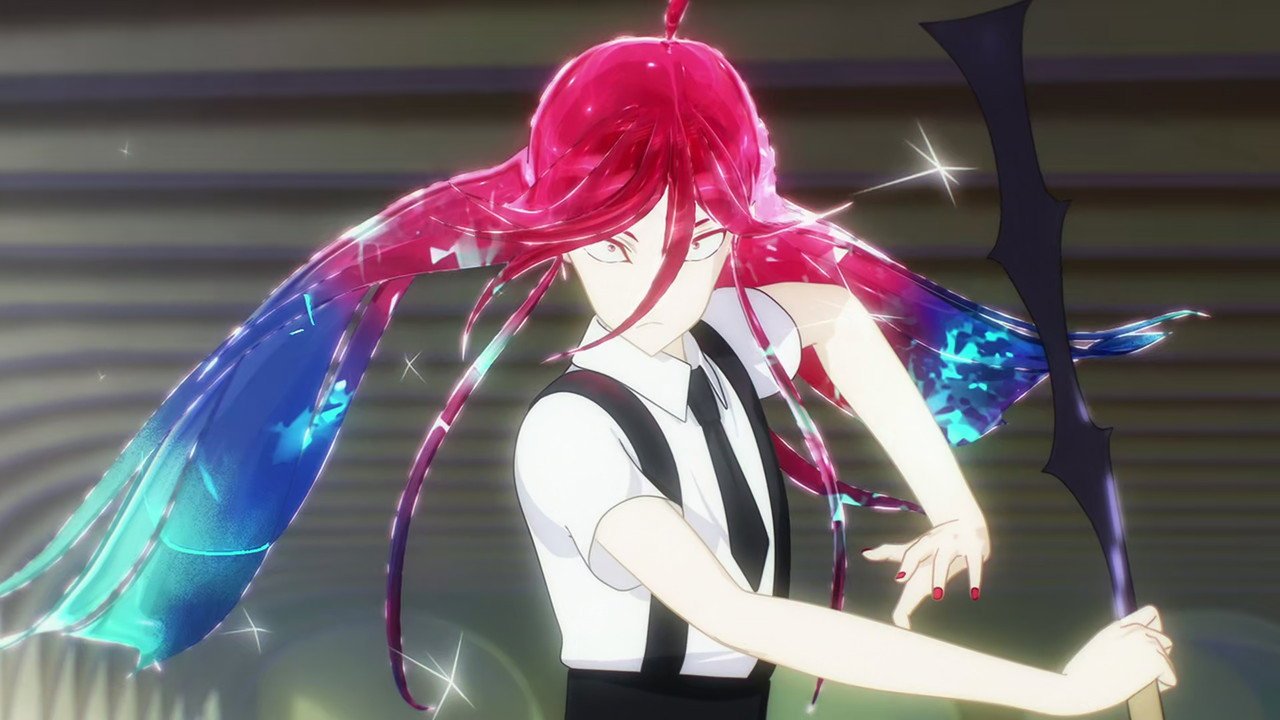
Land of the Lustrous is the aesthetic sibling. It’s a CGI-heavy series from Studio Orange about immortal gem warriors lit like a jewelry store, and it has one of the most unusual visual languages in modern anime — which matters here because so much of Frieren’s appeal is how it looks and feels. The two shows share a devotion to gorgeous, quiet, contemplative images and a tone that’s serene on the surface with a bottomless melancholy underneath.
The immortality angle rhymes with Frieren too. The gems of Land of the Lustrous are reforged when they break, but their memories fragment, and the protagonist Phos spends the series watching its own sense of self shift away from everyone it used to know. There’s the same “what does it mean to outlast your relationships” theme, told through a lens that’s more abstract and more strange.
This one’s a narrower pitch. It’s short (a single 12-episode season that has been famously incomplete since 2017, though the fanbase is loyal), and its weirdness is a feature rather than a flaw. But if your favorite thing about Frieren is its visual poetry and its refusal to be conventional, Land of the Lustrous is the show other Frieren fans keep circling back to.
Natsume’s Book of Friends: Warmth From the Supernatural
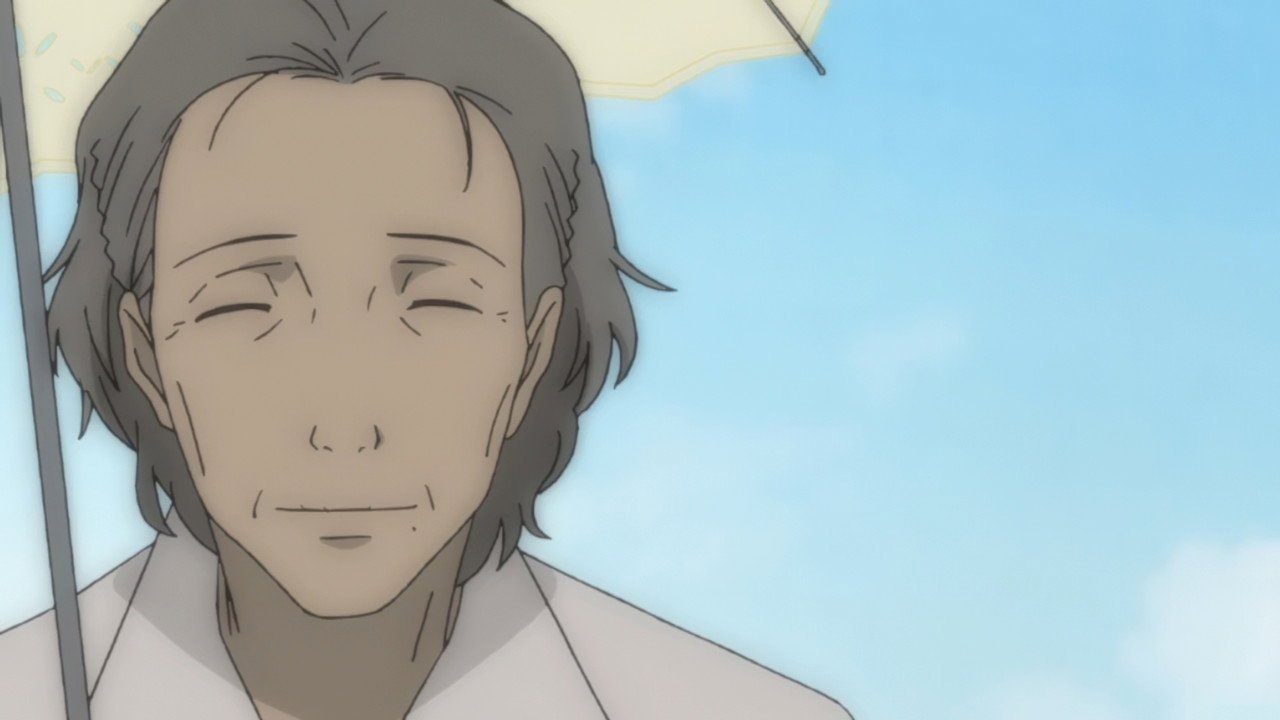
Natsume’s Book of Friends might be anime’s best-kept secret for Frieren fans. It’s a long-running, low-profile series about a boy, Natsume, who can see yokai — supernatural creatures — and inherits a book containing the names of spirits his grandmother once defeated. His grandmother’s legacy drags spirits toward him, and each episode finds him doing the quiet work of releasing a name, reuniting a spirit with a memory, or settling a grudge.
The resemblance to Frieren is closer than the synopsis suggests. Both protagonists are outsiders due to their strange nature. Both shows find their drama in memory: what people and spirits carry, what they forget, and what the wrong forgetting costs. Both are episodic but accumulate weight, so by the time you’re ten episodes deep, small callbacks land like emotional landmines. And both have that essential gentleness — a series that can make a cozy ending feel earned without being saccharine.
Natsume is a comfort watch in the truest sense. It doesn’t have Frieren’s fantasy action or its scale, but for the “warm daily supernatural melancholy” craving, it’s arguably the most satisfying show in existence, and it’s been running for so long that there’s a mountain of it to settle into.
Girls’ Last Tour: The Quiet Apocalypse
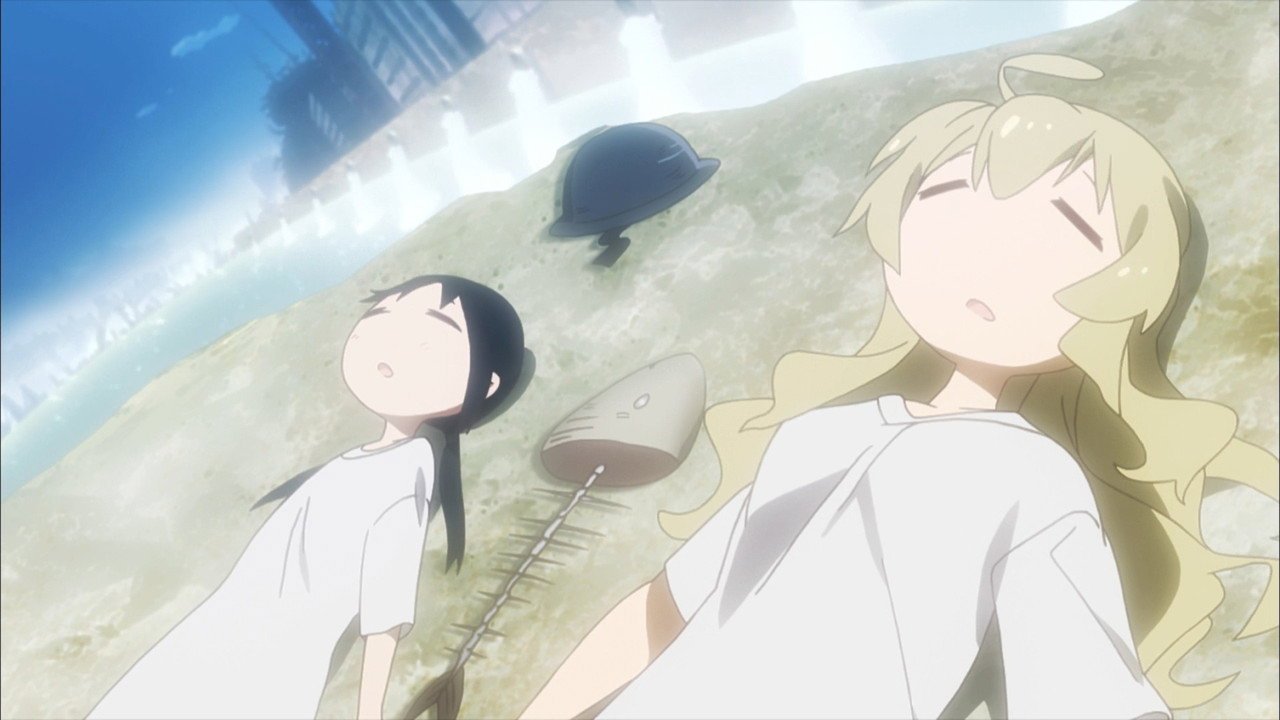
Girls’ Last Tour pairs a very different canvas with an identical mood. Two young girls, Chito and Yuuri, ride a Kettenkrad motorcycle through the remains of a dead civilization, searching for food, fuel, and meaning. Almost nothing happens. And somehow it’s one of the most moving anime ever made.
The show is a masterpiece of patience. The girls explore abandoned machines, eat cans of food, philosophize about nothing in particular, and occasionally find something beautiful. The melancholy comes from the setting — the world is over — but the register is warm and gentle, the way Frieren’s journey stays hopeful despite the weight of the past. There’s also the same two-character dynamic at its core: two people with entirely different dispositions who make a whole when they’re together, with the levity beat landing the way Stark’s does.
If your favorite Frieren scenes are the quiet ones — not the dragon fights but the campfire conversations exactly like them — Girls’ Last Tour is the distilled version of that. It’s short, it’s finished, and it’s a straight shot to the same feeling.
Three More That Round It Out
A few honorable mentions round out the picture, each matching a slightly different facet:
- Ranking of Kings — a fantasy that feels deceptively simple but is secretly a devastating family drama. Same “understated but profound” energy, same refusal to telegraph its emotions. If Frieren’s study of dignity and kindness without judgment won you over, this is your next stop.
- The Apothecary Diaries — for the observational genius angle. Maomao, like Frieren, is smarter than everyone around her and communicates in dry asides. It’s a different genre, but the intellectual register and the episodic “solve the small problem beautifully” structure line up.
- Delicious in Dungeon — for the cozy party-of-adventurers angle. It’s comedic where Frieren is melancholic, but both are about a group that loves each other deeply while navigating a strange world with meals, maps, and mundane logistics as the texture of the story.
Moribito: The Adult Warrior and the Child
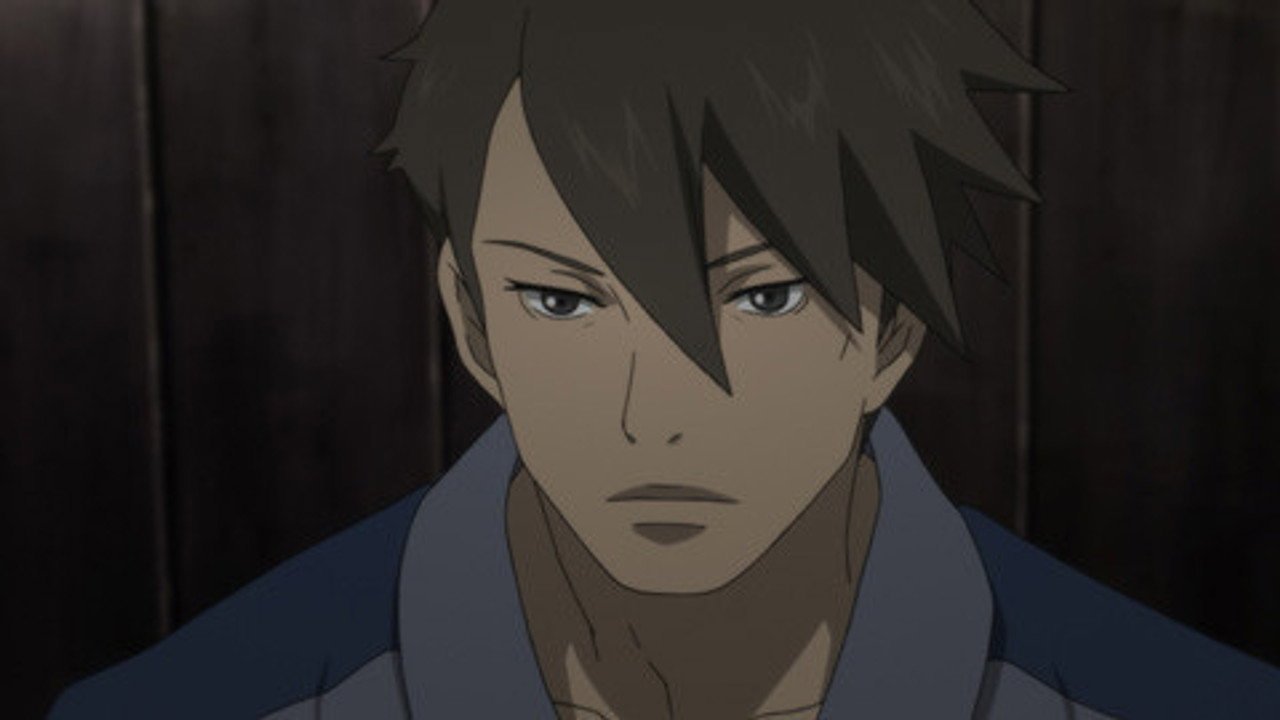
If there’s a single show from before Frieren’s era that anime fans keep “discovering” for the same reasons, it’s Moribito: Guardian of the Spirit. And it’s a remarkably clean match for a specific part of the Frieren formula: an older, capable, quietly weary woman who picks up responsibility for a child she didn’t plan to have.
Moribito follows Balsa, a spear-wielding bodyguard who ends up protecting a young prince on the run, and the two travel through a richly built world as the politics of the court churn behind them. The show is famous for a few things that should all sound familiar: hyper-realistic, grounded fight choreography that respects exactly how much damage a body can take; a slow, observational pace that trusts the audience; and a deep admiration for ordinary life — cooking, fishing, washing clothes, small kindnesses between travelers. Balsa is an adult protagonist with an adult history, and the show never rushes her.
Watch it right after Frieren and you’ll feel the genetic resemblance. Both are stories about a seasoned wanderer who slowly, out of responsibility rather than destiny, becomes something like a family to a younger companion. Both treat the road itself as a character. Both would rather spend an episode on a river crossing than on a hundred-episode power escalation. Moribito is shorter and more contained than Frieren, and its ending actually resolves, which makes it a perfect weekend project when you want the same warmth without the ongoing franchise commitment.
What These Shows Actually Share
Looking at the whole list, the pattern is clearer than any single title: every show here is built on the same assumptions Frieren is. None of them treats “quiet” as a weakness. None of them needs a villain to be interesting. None of them believes that emotional payoff requires exploding stakes. Instead they all share a set of craft habits that are harder to fake than any plot formula:
- They trust their score and their silence. Frieren’s composer Evan Call took home the Sound Award at the Tokyo Anime Award Festival, and it’s telling that all of these shows treat music and ambient silence as primary storytelling tools rather than ornaments.
- They let episode stakes stay small. The dramatic unit isn’t “save the world,” it’s “understand one person, solve one small problem, reach one small understanding.” Episodes accumulate instead of escalating.
- They respect time. The pacing isn’t slow because the writers ran out of plot; it’s slow because the characters are thinking, remembering, and reorienting, and the camera is willing to wait.
- They’re serious without being grim. There’s melancholy in all of these, but there’s also warmth, humor, and genuine delight in daily life. The sadness is a seasoning, not the meal.
That’s the actual checklist for “anime like Frieren.” Once you see it, you’ll start spotting the pattern in shows that don’t advertise themselves that way — and avoiding the ones that merely look similar on a poster but have the emotional temperature of a freight train.
How to Actually Pick Your Next Show
The honest advice is to pick based on the craving rather than the genre. If you want the grief, go To Your Eternity. If you want the patience and the travel, Mushishi. If you want the couple-on-a-road-trip warmth, Spice and Wolf. If you want the emotional education, Violet Evergarden. If you want the visual poetry, Land of the Lustrous. If you want the cozy supernatural melancholy, Natsume. If you want the quiet apocalypse, Girls’ Last Tour.
And if you’re not sure which craving is actually yours this week, the fastest way to find out is to stop guessing and ask. Our Otaku AI runs you through exactly which facet of Frieren you connected with — then AniPick turns that into a shortlist instead of a firehose of options. It’s a lot more reliable than picking a show because its poster looked similar to Frieren’s.
One more pro tip in the same spirit: share the feeling, not the plot. A list of “fantasy anime with an elf protagonist” will always let you down, because the thing that made Frieren special was never the elf or the fantasy. It was the way the show treated silence, memory, and mortality as the real plot. Every recommendation above was chosen on those criteria, and every one of them delivers on at least one of Frieren’s four great ingredients — so pick the ingredient you loved most, and let it pull you forward.
What Not to Watch (And Why)
The other half of getting a good recommendation is knowing what’s going to waste your evening. A Frieren comparison gets thrown at a lot of fantasy shows, and most of them only match on surface traits — and the mismatch is what makes them feel wrong if you pick them expecting the same calm.
Isekai power fantasies are the biggest offender. A show where an OP protagonist reincarnates into a video-game world, plates up a power level, and plows through a tournament arc shares Frieren’s fantasy wardrobe but none of its blood. It’s a different genre that wears a similar coat — and if you’re watching for the melancholy and the patience, the boredom will set in fast.
Then there are the “emotional shows with big trauma,” which will throw every dark event at the hero and call it depth. Frieren’s grief is quiet, embedded, and earned over time. A show that hits you with an orphan backstory every episode is doing the opposite thing, and fans of Frieren usually find it exhausting rather than moving.
Finally, be wary of anything advertised as “if you like Frieren, the slow-burn fantasy” that turns out to be a light novel series with 24 episodes of dungeon raids. Check whether the recommendation actually names a specific shared element — the grief of outliving, the two-person road trip, the observational pacing — or just the word “fantasy.” If it’s the latter, it’s marketing, not a match.
That filter is genuinely the difference between a night well spent and a night of waiting for something that never arrives. And it’s the same filter the recommendation tools on this site are built to apply from the start, so you don’t have to do it manually.
The Short Version
You don’t watch “like Frieren” — you watch for the feeling Frieren gave you, which is a specific blend of patience, grief, warmth, and beauty. Mushishi is the closest match to the soul; To Your Eternity delivers the ache of outliving people; Spice and Wolf and Girls’ Last Tour nail the slow-burn two-person journey; Violet Evergarden understands the emotional-blindness theme; Land of the Lustrous matches the visual strangeness; and Natsume earns the comparison through pure gentleness.
What none of them share with Frieren is a need to be finished in one night. That’s the whole point. Frieren taught you to sit with a story the way its hero sits with time — slowly, deliberately, and with room for everything that almost happened. The shows above are all worth that same patience. Pick one, clear an evening, and let it be as quiet as you remember Frieren being. If you want help narrowing it down over coffee, the AI side of this site is always around — the AI tools live here, and there’s a character roleplay corner if you’d rather feel what it’s like to sit across from one of these long-lived, quietly grieving travelers yourself.