
Somewhere in the next four months you can watch a Korean crafting MMO become anime, a Meiji-era romance where everybody in the room is a possible murderer, a Weekly Shonen Jump manga cancelled sixteen years ago finally receive an anime, and a 1998 role-playing game with 108 named characters get its own television series. That is not a list of sequels. Almost everything below is a first time, and the interesting part is how wildly the source material varies once you put them side by side.
The reason this list exists is that adaptation news arrives in a bad format. A studio gets announced, a key visual drops, a date locks, and the actual story you’re being asked to care about gets one sentence of marketing. So this is a source-material list first: what the manga or novel actually is, who finished it, how long it ran, and whether the finished thing is worth the risk. Dates and studios are here because you need them, but the pedigree should decide your queue.
How I Picked These
Three rules, and they cut a lot out. First, the source has to be finished, or close enough that you can make a judgment call. A manga abandoned at volume 14 is a gamble; a 2008 Jump run that saw its ending is a bet with a price you can see. Second, the adaptation needs a locked broadcast window, not a vague “next year” that will slip four times. Third, the studio has to be public, because a committee announcement with no animation studio attached usually means the date is aspirational.
That rules out a lot of 2027 noise. Plenty of franchises have something coming that nobody can watch yet. The seasonal anime guide over on Otaku tracks what is genuinely dated versus what is a logo reveal, and it is worth reading before you commit an evening to something that may not exist until 2028.
One thing to get out of the way early: this is not a manga-only list. A game adaptation is here, and so is a light novel with a Japanese publishing imprint nobody outside the genre could name. Adaptations are adaptations, and the source pedigree is the interesting part.
Overgeared: The Adaptation Where Crafting Is the Power Fantasy
Overgeared is the most unusual big new adaptation of the fall, and the reason is that its protagonist wins by making things. Grid is a crafter in a multiplayer game called Satisfy, and the manhwa has him going from the worst player on the server to a legend through materials, recipes, economy, and guild politics. Almost every isekai-adjacent show in this space is a combat story with crafting as set dressing. This one is a production economy story that happens to have fights in it.
The pedigree is worth understanding because it is layered. The original is a South Korean web novel by Saenal, serialized on KakaoPage from November 2014 to April 2024, and the manhwa version by Monohumbug with art from Team Argo has been running since April 2020. Yen Press publishes the English edition. So this is a decade of accumulated web fiction and webtoon chapters, and the anime is the third pass over material that has already been refined by readers in real time.
The anime premieres October 2 on Tokyo MX and BS11, with Ayako Kono directing at J.C.STAFF, Kenta Ihara on series composition, Ryosuke Tanigawa on character designs, and Yoshiaki Fujisawa scoring — a team that has quietly assembled a résumé of good choices over a decade. Crunchyroll streams it worldwide, and the second key visual landed with the opening theme “SATISFY” by Re:name and the ending “Ray of Emotion” by TAO. Crunchyroll confirmed the October 2 date alongside the trailer and visual. If you have been burned by an adaptation that rushed the protagonist to a tournament arc, this is the one to watch on principle.
Firefly Wedding: A Romance That Is Also a Threat Assessment
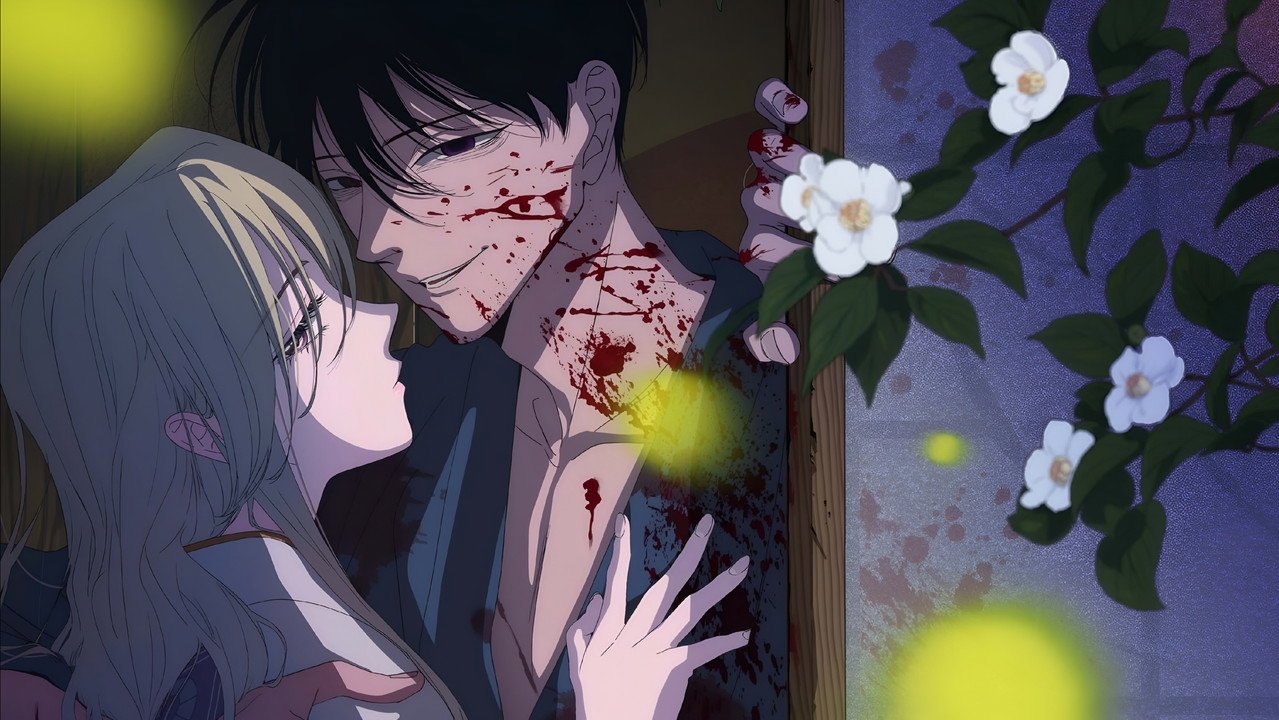
Firefly Wedding is a good example of why you read the source before the adaptation. Oreko Tachibana’s manga ran on Shogakukan’s Ura Sunday site and the MangaONE app from January 2023, finished in twelve volumes, and it kept a dark shonen-romance register while staying inside a shoujo label. The heroine, Satoko Kirigaya, is a woman from a family with something to hide, and the man who wants to marry her, Shinpei Goto, is introduced as a hitman. The story is whether a marriage arrangement between two dangerous people can become anything real.
That is a different show from what “shoujo romance anime” usually means, and the production suggests the team knows it. david production is animating it under Takahiro Kamei, with Yukiko Aikei on character designs, in Fuji TV’s Noitamina block — the same studio that runs JoJo’s and the same director who did the 2022 Urusei Yatsura. Noitamina is the late-night Fujislot where atypical romance goes to be judged by people who watch four shows a week.
The source material is genuinely large. By the time the anime starts airing on October 9, the manga had reportedly passed 4.5 million copies and taken the Electronic Comic Award for 2024, with Lynn voicing Satoko and Koki Uchiyama voicing Goto, according to the premiere announcement coverage in Animation Magazine. Four and a half million copies of a story that reads like a thriller is the number that should make you care. Plenty of acclaimed manga never get adapted because they are too structurally awkward. This one got picked up anyway.
PSYREN: Sixteen Years Late, and This Time It Finishes

PSYREN ran in Weekly Shonen Jump from December 2007 to November 2010, sixteen collected volumes, and then it stopped. It was not a failure exactly. It was popular enough that fans spent the entire 2010s assuming an anime was coming, then it never did, then the author moved on. It is one of the more visible open wounds in shonen adaptation history, and a lot of the show’s interest is just curiosity about whether the thing holds up.
The premise has aged better than most. A first-year high schooler picks up a red phone card, his childhood friend disappears into a national string of missing-person cases, and the trail leads to an organization called Siren that puts people into deadly games. It is a supernatural battle suspense story, and the psychic-warrior framework feels faintly familiar now because a decade of later manga borrowed the same moves. That cuts both ways: a new viewer may find it derivative, and an old reader will recognize every beat.
What makes it an adaptation story rather than a curiosity is the promise attached to it. The anime is planned to reach the ending the manga wrote, and the project staff reportedly includes people who grew up on the series and are now making it. Katsumi Ono, a Symphogear veteran, directs at SATELIGHT, with Shin Yoshida on scripts, Akira Okuma on character designs, and music by Takashi Omama, Tatsuhiko Saiki, and Shu Kanematsu. Crunchyroll reported the October 5 premiere date with the new trailer, the main visual, and the opening theme, streaming worldwide except Japan and China. The industry reviving its own back catalogue instead of only chasing new shonen is one of the more interesting trends of the year, and PSYREN is the cleanest example.
Suikoden: The Anime and the Problem of 108 Leads
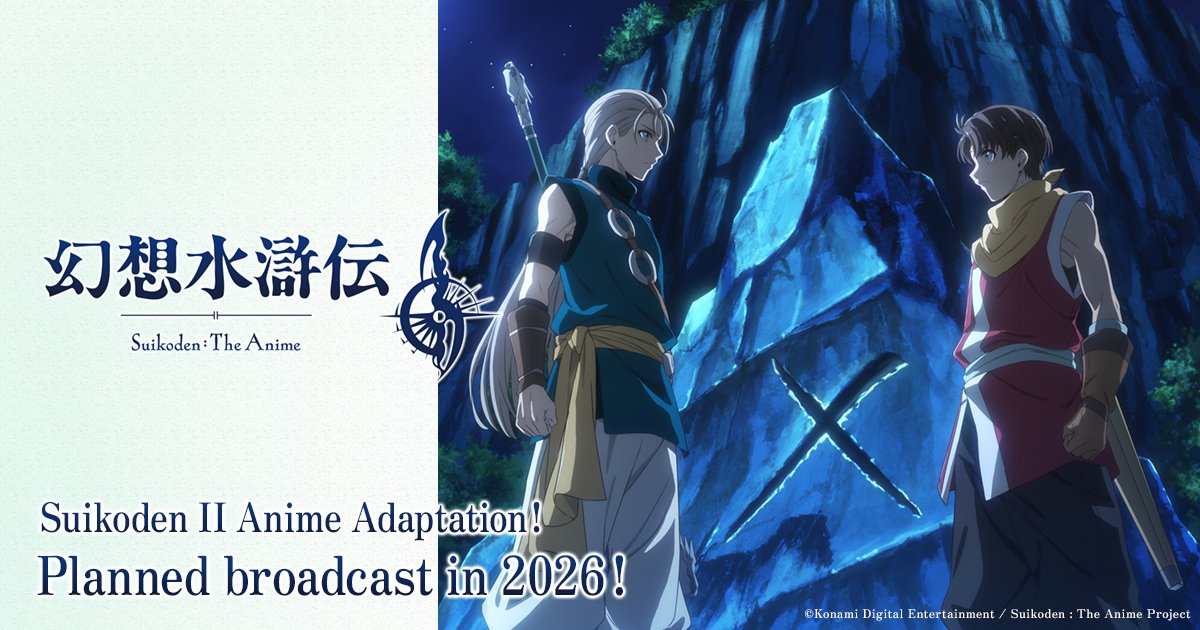
Suikoden is the most structurally difficult adaptation on this list, because the source is a role-playing game whose defining feature is a huge roster of named characters. The franchise’s whole hook is the 108 Stars of Destiny, people you can recruit, level, and attach to your party, and that design is hostile to anime. An ensemble drama needs a dozen people to carry it, and the identity of the franchise is literally having a hundred.
The anime is being produced in-house by KONAMI animation, the game company’s own studio, and directed by YUZO, with Michihiro Tsuchiya on series composition and Kōji Nakamura composing. Ryō Hino of NBCUniversal Entertainment Japan is credited as producer and production manager, and the story is an adaptation of Suikoden II specifically rather than the first game. The October 2026 broadcast date and eight new cast members were revealed together in March, following the main cast and fourth key visual shown at Tokyo Game Show the previous September.
The producers have been refreshingly open about the approach. In an Anime Expo interview this summer, Suikoden IP director Rui Naito said the plan is to complete Riliu and Jowy’s story within the series, that not all 108 characters will appear, and that the production was built as part of a wider franchise revival covering the I & II HD Remaster and the mobile game Suikoden Star Leap. That is an honest answer. A licensed adaptation negotiates with the IP holder on every scene. This one does not have to.
Red River: The One You Can Already Catch Up On
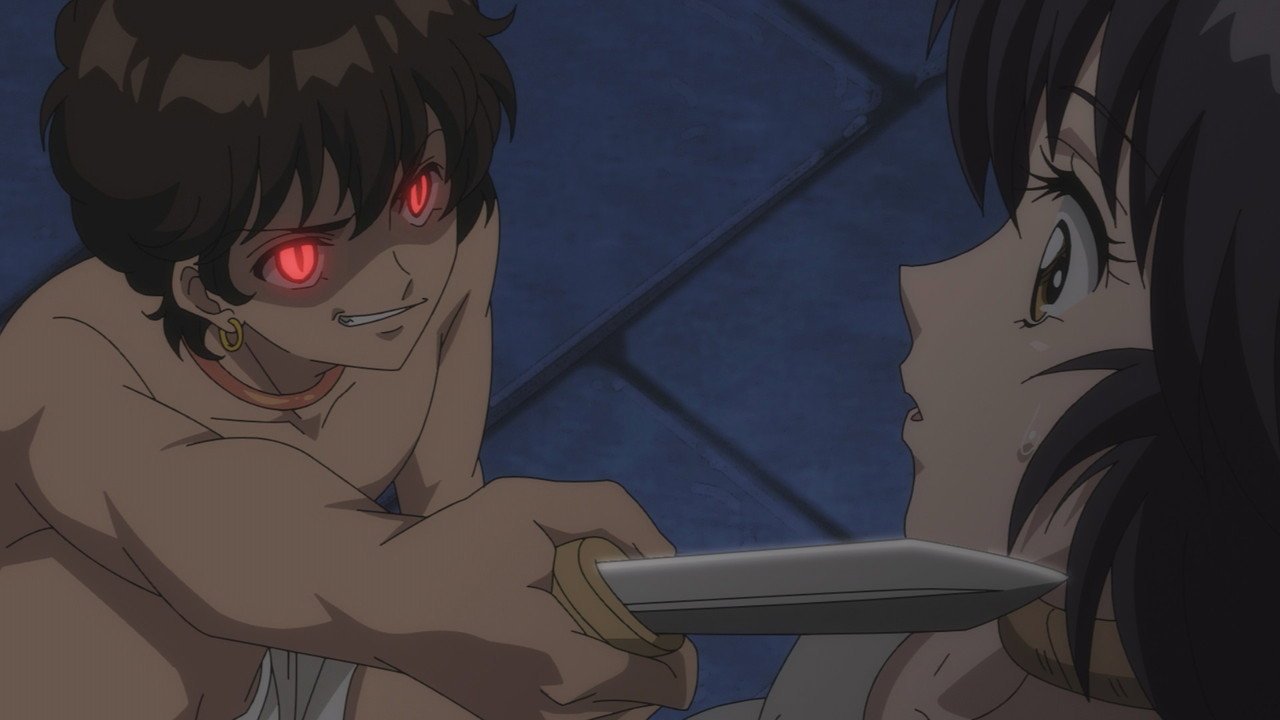
Red River is the one on this list you do not have to wait for. Chie Shinohara’s historical fantasy began in Shogakukan’s Shojo Comic in January 1995, ran to June 2002, collected into 28 volumes, and passed 20 million copies in circulation. It won the 46th Shogakukan Manga Award in the shojo category and got a Takarazuka Revue stage production in 2018. It is one of the best-selling shoujo manga of its generation, and the first work of Shinohara’s to be adapted for television.
It started in July 2026 on NTV and BS NTV, directed by Kōsuke Kobayashi at Tatsunoko Production, with Yoriko Tomita writing the scripts, Kenji Fujisaki designing the characters, and the Japanese Institute of Anatolian Archaeology attached as historical consultants. The heroine is a 21st-century Japanese teenager pulled into 14th-century BCE Anatolia as the intended victim of a queen, saved by the queen’s stepson, and then mistaken for the war goddess Ishtar. The teaser trailer, cast, and July debut came in March, and Shinohara said it has been 24 years since the series ended and she did not expect it to be remembered well enough to be adapted.
So this is a catch-up entry, not a premiere entry, and that makes it easier to get into than anything else here. If palace politics, a doomed royal house, and a heroine who refuses to be a passive wife sound like your thing, the first stretch is already up. Track the rest of the season on our upcoming releases page so you can tell the difference between a cour split and a cancellation.
The Exiled Heavy Knight: Cour Two Starts October 1
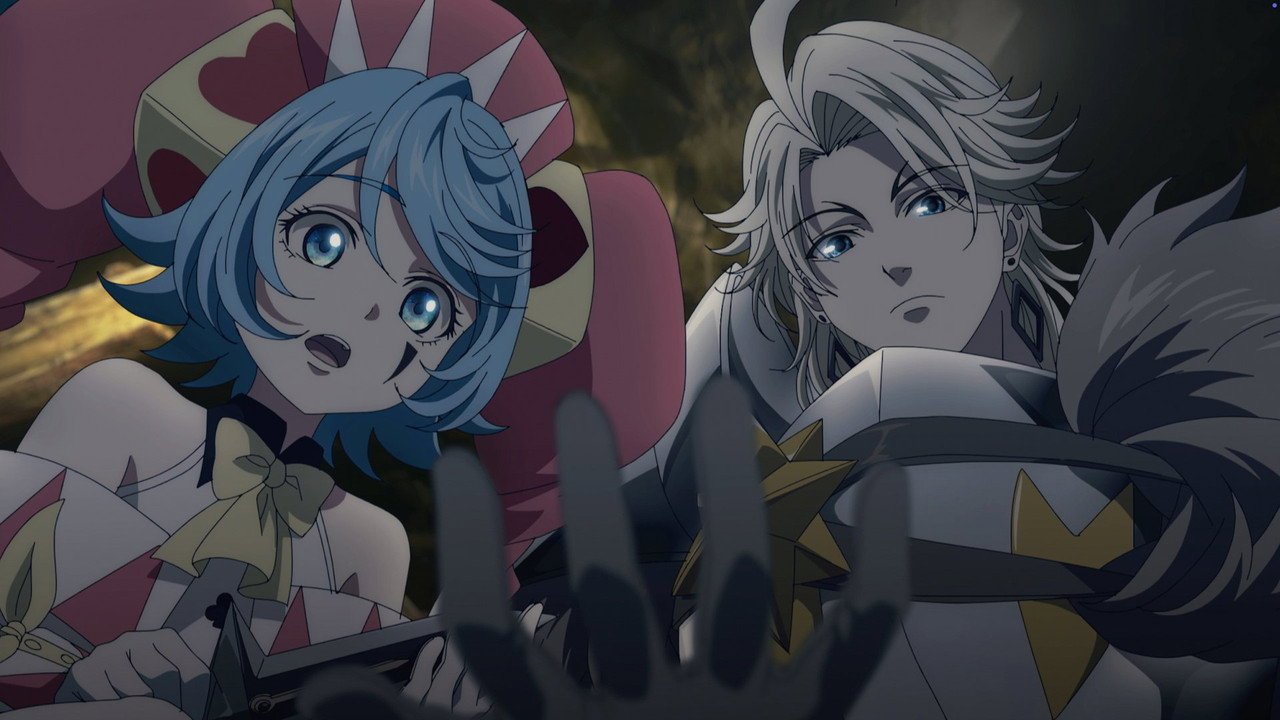
The Exiled Heavy Knight Knows How to Game the System has a source pedigree worth ten minutes of research, because it explains the show’s tone completely. Nekoko started it on Shōsetsuka ni Narō in April 2021, Kodansha’s K Lanobe imprint put out the print volumes with Jaian’s illustrations from June 2022, and Brocco Lee drew a manga adaptation that eventually moved to Weekly Young Magazine. Circulation is reported past four million copies, and the whole thing runs on a single joke played completely straight: a young man pulls the worst class in the game’s class system, gets thrown out of his family for it, and quietly discovers that the worst class is the strongest one.
What makes it a good adaptation candidate is that the premise is emotional rather than mechanical. Elymas is not a gloating overpowered hero. He is a kid who failed a public test in front of everyone and got exiled, and the revenge fantasy is really about a family that was wrong. That is a much easier thing to write well than another tournament arc, and it is why the show works as a palate cleanser between the heavier entries in this article.
It premiered in Japan on July 2, 2026, and the second cour begins October 1, with GoHands continuing to produce under general director Shingo Suzuki and director Katsumasa Yokomine, character designs by Takayuki Uchida, and Takeo Otsuka in the lead as Elymas. Cour two’s main trailer, key visual, theme songs, and four new cast members were released this month, with Crunchyroll streaming both halves. A long run of a slow, warm, low-stakes power fantasy is a rare thing to be mid-way through, because most shows that length have stopped being about anything by episode 18.
Sekiro: No Defeat Was Always a Series

Not a manga, and included anyway, because the way this one was handled is the most interesting release story of the winter. Sekiro: No Defeat is the anime adaptation of FromSoftware’s Sekiro: Shadows Die Twice, and it opened in Japanese theaters on September 4, 2026 in a limited three-week run. What the posters did not say, and what producer Tetsushi Suzuki has since apologised for, is that the film was an edited version of something originally built as an eight-episode television series.
The show has now been confirmed as an eight-episode TV series premiering in January 2027, weekly, with new scenes and cuts that were not in the theatrical edit. Anime News Network reported the format change and the streaming territories on September 24: Crunchyroll gets the series worldwide excluding Japan, China, Korea, Russia, and Belarus. Qzil.la handles animation on both the film and the series, and the film screened out of competition at Annecy.
Games have been the worst-supported source material in anime for two decades, and Sekiro is a specific test of whether that has changed. It is a game about stealth, resourcefulness, and dying repeatedly in a feudal Japan that never existed, which is not a structure any shonen template covers. The reversal matters on its own: a film release is normally the end of a project’s commercial life, and this one is being un-edited into a longer form for a global streaming launch.
January 2027 Is Going to Be Brutal: Bless, Dengeki Daisy, and a Dog
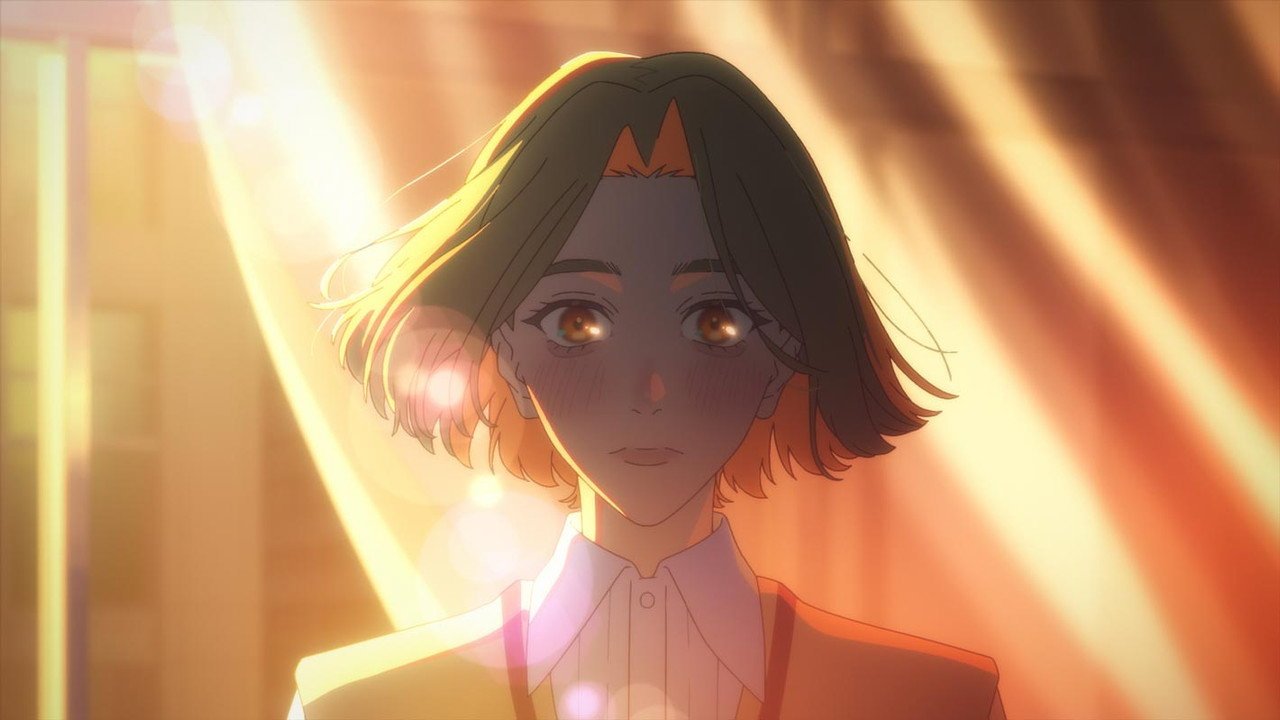
January 2027 is stacking up into one of the densest premiere months of the decade, and the manga side of it is unusually interesting. Bless is the A-1 Pictures project, directed by Shōtarō Kitamura with series composition by Fukurou Kamiza, character designs by Honoka Yokoyama, and music by Ryo Yoshimata, premiering on Fuji TV’s Noitamina block in January. The date, teaser visual, and Tomohiro Ōno and Chiyuki Miura in the leads were announced at Aniplex One Focus in September. The source is Yukino Sonoyama’s manga, which started in Shōnen Magazine Edge in 2022 before moving to Monthly Shōnen Sirius, and it is a fashion drama about a failed make-up artist and a model who hides her freckles and her height. Circulation is reported past 1.25 million copies. A-1 doing a small human drama is a much better bet than A-1 doing another isekai.
Dengeki Daisy is the other one to watch. Kyousuke Motomi’s romance-suspense ran in Shogakukan’s Betsucomi from 2007 to 2013, sold over five million copies worldwide, and is the rare shoujo mystery where the mystery is the actual plot rather than decoration. Studio DEEN is producing it, and it will run two consecutive cours from January 2027 — the official site confirms the 2027 window and the studio, and the main promotional video revealed the January start and the half-year schedule. A two-cour commitment on a 2000s heroine-driven mystery is a bold pick.
And then there is The Eternal Fool’s Words of Wisdom: A Pawsitively Fantastic Adventure, which premieres in January 2027 at Studio Elle under Keisuke Ōnishi. Hifumi’s light novel ran on Shōsetsuka ni Narō from January 2015, with Earth Star Entertainment publishing fourteen volumes through December 2019, and the premise is a sorcerer who has been alone for two thousand years being forced outside by his level-one dog. Crunchyroll covered the January premiere, cast, and staff in July. Read the title out loud to someone and watch their face. Then watch the show.
Kagurabachi: The Anime the Manga Actually Earned
Kagurabachi is the flagship of 2027, and the reason is a statistic that took three years to arrive. Takeru Hokazono debuted it in Weekly Shonen Jump in September 2023. It ranked first in the comics category of the Next Manga Awards 2024, and it crossed 4 million copies in circulation with volume 11 on May 1, 2026. That is faster than almost anything comparable, on manga alone, before a single frame of animation existed.
Production is by Cypic, the CyberAgent group studio behind Umamusume: Cinderella Gray and The Summer Hikaru Died, directed by Tetsuya Takeuchi, who is a longtime key animator rather than a straight-to-series director, with Keigo Sasaki on character designs and Taihi Kimura as Chihiro Rokuhira. Kimura took Best New Actor at the 2025 Seiyu Awards for a role that does not exist yet, which tells you the level this got built at. CyberAgent’s own press release confirms the April 2027 window, the 4 million circulation figure, and the Shochiku co-production, with global streaming in partnership with MUSE and SMG Holdings.
The structure of the deal is worth noticing, because it tells you how the business reads the title. Before the April 2026 announcement, a December 2024 report had it as a Cygames Pictures production, and both CyberAgent and Shochiku declined to comment. It ended up at Cypic, which is Cygames Pictures under a new name, and it is running a world tour that started in summer 2026 with 20-minute previews of episode one worldwide, finishing in Japan with a full screening before broadcast. When a company buys the first 20 minutes of your premiere and tours it globally, it is betting on the show, not hedging on it.
The Bigger 2027 Remakes, and One Split Season Worth Watching
Two more worth having on the radar. The first is The One Piece, WIT Studio’s from-scratch adaptation of Eiichiro Oda’s manga for Netflix, and the terms are unusually clear: seven episodes, roughly 300 minutes of runtime, the first 50 chapters of the East Blue arc, all seven dropping at once in February 2027. Masashi Koizuka directs, with character design and chief animation direction by Kyoji Asano and Takatoshi Honda. Netflix’s own announcement spells out the chapter count, the episode count, and the Baratie finale. A 43-minute average per episode means these are feature-length, not chopped-up TV, so the show gets watched in one weekend or not at all.
The second is the one nobody is talking about because the first half is already running. The Apothecary Diaries Season 3 is a split cour at OLM with TOHO animation STUDIO, directed by Norihiko Naganuma with Akinori Fudesaka as assistant director, and the shape of it is unusual: the first cour premieres October 2, 2026, and the second cour lands in April 2027, with an original film in December 2026 written around a new story by the light novel’s author Natsu Hyūga. Crunchyroll covered the split-cour schedule, updated staff, and the ending theme performer in August. The novels have sold tens of millions of copies, which is why a three-part season with a theatrical film in the middle is a reasonable shape for them to plan around. If you start with cour one in October, April is a season away rather than a commitment you have to make now.
Both of these are sequels in name and remakes in practice. The One Piece is starting over from chapter one with a different studio and a different episode economy. The Apothecary Diaries is being spread across two broadcast windows a season apart, with a film wedged between them.
How to Actually Watch These
The honest problem with a list like this is that nine entries plus a remake plus a split season is thirteen shows over about eight months, which is more than a normal person’s schedule. Do not try to run them in parallel. The sustainable watchlist guide makes the same argument from a different angle: a list you abandon teaches you less than a list you finish.
Here is a plan that works. October is the crunch, and the only four things you need are Overgeared on October 2, The Exiled Heavy Knight’s second cour on October 1, PSYREN on October 5, and Firefly Wedding on October 9. Those four are different genres, studios, and tones, and none of them will compete for the same evening slot. Let Suikoden, Bless, and Dengeki Daisy go on a list you actually look at. The guide to choosing your next anime is the right tool for the January decision, when Bless, Dengeki Daisy, Sekiro, and a light novel about a dog all land in the same four weeks.
Then make 2027 the year you read the sources instead. That is the move the current wave of adaptations rewards. Binge the manga, then watch with something specific to compare. Kagurabachi’s volume 11, Dengeki Daisy’s 16 volumes, and Suikoden I & II HD Remaster all exist right now, and reading first changes what you notice on screen — which cuts they kept, which conversations they invented, and where the pacing went.
The Quick List
If you just want the dates in one place:
- Overgeared — October 2 — crafting MMO, the economy is the plot, J.C.STAFF
- The Exiled Heavy Knight — cour two October 1 — warm power fantasy, GoHands
- PSYREN — October 5 — the cancelled Jump shonen, finally finished, SATELIGHT
- Firefly Wedding — October 9 — Meiji-era marriage thriller, david production
- The Apothecary Diaries Season 3 — October 2, cour two April 2027, OLM
- Suikoden: The Anime — October — 108 Stars of Destiny, KONAMI animation
- The Eternal Fool’s Words of Wisdom — January 2027 — a sorcerer and his dog, Studio Elle
- Bless — January 2027 — a fashion drama about giving up, A-1 Pictures
- Sekiro: No Defeat — January 2027 — the TV cut, eight weekly episodes
- Dengeki Daisy — January 2027, two cours — a 2000s shoujo mystery, Studio DEEN
- The One Piece — February 2027 — WIT Studio, seven long episodes at once
- Kagurabachi — April 2027 — four million copies and counting, Cypic
None of these are guaranteed. Several have already slipped once on the way to an announced date, and January 2027 looks like a month where two shows will end up premiering the same weekend and the good intentions will lose. That is what the calendar looks like right now, though, and it will look different again in three months.
When you want a second read on any of these before committing, that is what the Anime Array AI tools are for — ask Otaku whether the source is worth reading first, get matched picks from AniPick, or take a character from a 2009 Jump manga into a room in RolePlay and find out what they would actually do about it.