Zoro’s whole career is usually told as a ladder. He wants to be the greatest swordsman, he isn’t, so he gets stronger, and someday he will be. That reading is tidy, and it is mostly wrong. Strip the ranking chatter out and you find something stranger underneath: a man who keeps a promise to the same person across every disaster he survives, and who is repeatedly, catastrophically worse at it than the man he swore to. That is the actual through-line of One Piece‘s first mate, and it is why loyalty, not steel, is the load-bearing part of his character.
The scale makes the point before the argument does. When Shueisha announced in 2022 that the manga had passed half a billion copies in print, 416,566,000 of them were in Japan and another 100 million across 60 countries and territories, a Guinness record for a single-author comic series. Half a billion readers have watched a man refuse to eat a Devil Fruit. They are not primarily there for the swords.
The Scale Problem With Every Power Ranking
Zoro is one of the most numerically analyzed characters in shonen, and almost none of that analysis touches the thing that makes him interesting. He sits below Luffy in a hierarchy with no room for a swordsman who admits he is not the strongest person on his ship. He loses to Mihawk. He loses to the sea. He loses an arm, then a second arm, then most of his blood. The ledger never records that he was still next to the captain at the end of any of it.
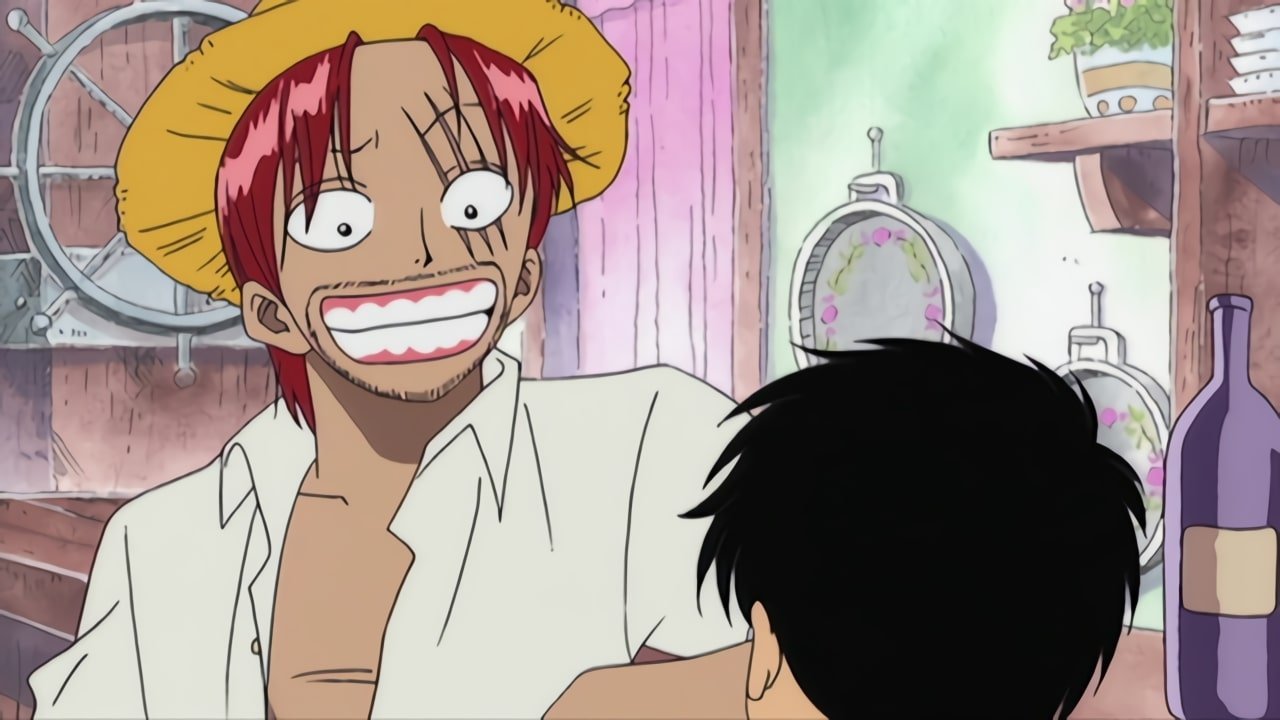
That gap between the ledger and the record is the whole essay. The usual debate — can he beat this opponent on this island — has a right answer the manga refuses to confirm. The question worth asking is narrower: what keeps returning him, and is it the same thing that keeps Luffy returning? It is. Both are answering a promise made to somebody who is not present. Luffy made his to Shanks. Zoro made his to a dead girl and a dojo ceiling.
So the argument runs backwards from the usual one. Strength in this series is not a resource, it is a receipt — proof that you kept your word. And Zoro’s receipts are unusually legible. When he wins, you can trace it back to a promise. When he fails, you can trace the failure to the same place.
A Debt Made Before an Oath
Zoro’s vow is older than the crew. Before he ever heard of pirates he was a doorman in a dojo, throwing his weight around against students who had actual technique, while a childhood friend was beaten by the best fighter in the building. A girl beat him at his own game in a fighting ring when they were kids, then told him plainly that talent decided nothing. The swords he carries are the two that girl left behind, plus whatever he can hold in his teeth.
When Luffy cuts him out of a Marine cart and drops a straw hat on his head, Zoro does not choose a dream. He already has one. What he discovers is that somebody will bet on it for free. The promise to Kuina is the engine. The promise to Luffy is what makes it useful, and that is why the loyalty is the load-bearing part.
Still caged, Zoro tells Luffy exactly what he is: a pirate hunter whose reason for being a pirate is a mission. He sets the terms like a man writing a contract — if he abandons the dream for any reason, Luffy will answer for it. It reads like a threat. It is the first draft of a loyalty speech from someone with no vocabulary for loyalty.
What gets quoted is the part where he stops bargaining. He will not lose again, from now until he beats Mihawk. Later, with nothing left to negotiate with, he puts his fist on Luffy’s chest and says the quiet part out loud: Luffy is his captain, he is the first mate, and he will stand beside him until they find the One Piece or die trying. That is the deal. The full breakdown of the swordsman himself is worth reading next to it, because the man making this promise and the man who made the Kuina promise turn out to be the same person.
The First Mate Who Refuses Power
Every other Straw Hat made a deal for their ability. Luffy got rubber and paid for it with the ability to swim. Nami got a log and paid with her life in a book. Sanji got legs and paid with the memory of his family. Zoro is offered a Devil Fruit in Wano and turns it down, on the grounds that a swordsman relying on something other than his hands is not a swordsman at all — and, underneath that, that his value to the crew is being the one member who cannot be bought or talked out of a job with a power.
That refusal has a running cost, and the story charges him for it. He drowns. He cannot fly, cannot swim fast, cannot read the Poneglyphs. He is a fully human man in a crew of freaks, and he is the one standing in front when the freaks are unconscious. The performance has been locked in for decades, with Kazuya Nakai in Japanese and Christopher Sabat in the Funimation dub — about the same span of time it takes a body to be used up.
Wano hands him the sharpest version of the point. The sword he is given there, Enma, is a masterpiece that drains the wielder’s Haki and kills anyone ordinary who grips it. The instinct is to fight the sword. Zoro stops fighting it, lets it take everything, and only then does it cut deeper than he dreamed. The strongest blade in the setting has to be yielded to before it works at all. That is not a gimmick about swords. It is a thesis statement about a man who refuses to submit his whole life and finally learns that surrendering control is not surrendering the promise.
“Nothing Happened”
Bartholomew Kuma picks up Luffy and blasts him off Sabaody. Zoro is the only one still standing, and the Warlord has a trade: take the pain your captain is feeling, and the boy lives. Zoro agrees before the terms are finished. When Sanji finds him afterward, broken and barely moving, the exchange is four words: “Nothing happened”, and the line has stayed in the fandom for fifteen years because it is not a boast. It is a receipt. The pain is not gone. It is simply not the crew’s problem anymore, and Zoro is the one carrying it.
Look at what is being hidden. Zoro’s arm is crushed, his bones are shattered, and the crew is scattered across an archipelago by a Warlord they cannot fight. Any accurate report would end the voyage. A lie keeps it running. So Zoro lies, in the flattest possible tone, and goes back to watching the ship.
The same impulse shows up in the line he throws at Luffy during Thriller Bark, when the captain survives something he has no business surviving: if you keep doing that, you’ll get us all killed. It reads like a complaint. It is a man explaining that he has just paid for Luffy’s recklessness with his own skeleton, that he will do it again, and that he needs Luffy to see the invoice without ever having to say so.
That is the pattern. Zoro’s loyalty is almost never stated as warmth. It is stated as a bill. He keeps an account of what he has paid and what he is owed, and treats it as settled the instant Luffy is out of danger. Strength is what lets him pay. Loyalty is what decides that he will.
The Walk Into Enies Lobby
Water 7 and Enies Lobby are the arc fans nominate as the high point of the series, and Zoro’s function in it is short and enormous. Luffy goes up against a World Government that will execute him. Zoro and Sanji are the ones who show up, from opposite directions. Neither is strong enough to change the outcome. They simply refuse to be anywhere else.
The finale’s image is the point. Zoro walks in with an arm burned from Impel Down and sets fire to the flag of the World Government, which is not a tactical decision and is the loudest possible statement that the crew will not be negotiated with. When Robin finally admits the truth and screams that she does not want to die, it is Zoro’s arm, Sanji’s leg and a burning flag that make the words believable. The three of them cover each other so badly that none can be isolated as the emotional center.
The Luffy side matters just as much, which is why the captain’s own arc is inseparable from his swordsman’s. The crew’s most famous lie and its most famous confession belong to the same afternoon. Nobody thanks Zoro for burning a flag. Nobody thanks Robin for asking to live. Luffy accepts both without comment, because a man who works by loyalty does not keep score on the people who gave it to him.
The image to take away is not Luffy standing over a downed king. It is two exhausted swordsmen arriving at a door they have no chance of opening, for a person they could have walked away from without anyone ever calling them a coward.
Wano and the Promise He Keeps Repeating
The Wano arc is where the thesis gets its biggest stage. Luffy and Kaido trade blows across dozens of chapters while Zoro, Sanji, Law and Kid handle everyone else in the region. Zoro’s duel is the purest expression of his character in the series: he walks into a building, picks a fight with a man stronger than him, fights a style he has never seen, and keeps saying the same sentence while losing.
The sentence is why fans quote that fight at all. Asked why he is doing any of this, Zoro answers in three beats — “I have made… a promise to… my captain and best friend,” and when King points out that as long as he and Kaido are breathing, that promise can never be fulfilled, Zoro’s answer is not a technique. His life belongs to the man he made it to. Then he says the part that ends the argument: the King of the Pirates does not need anything less than the world’s greatest swordsman, so until the day he beats that man, he will not be defeated.
Notice the structure. The promise is to Luffy, but the content of the promise is about being worthy of standing next to him. Loyalty and ambition are fused so tightly that neither can be removed without taking the other out. This is why “loyalty or strength” is a false choice. Zoro has no strength problem that loyalty distracts from, and no loyalty problem that strength distracts from. His strength is the instrument the promise is pointed through. Remove the promise and the technique work stops — which is exactly what Enma, a sword that only cuts once he stops resisting it, is showing you in physical form.
Strong World and the Hero Nobody Pays
The feature films are where this argument gets tested in a shorter, cleaner form, because a film has no time for a personal arc. It only has time for a choice. One Piece Film: Strong World splits the crew across a floating island run by a man who has already beaten them once, and hands Zoro the smallest possible unit: a child. He ends up paired with Chopper, no captain, no navigator, no plan, hunting for the one thing that will keep Nami breathing.
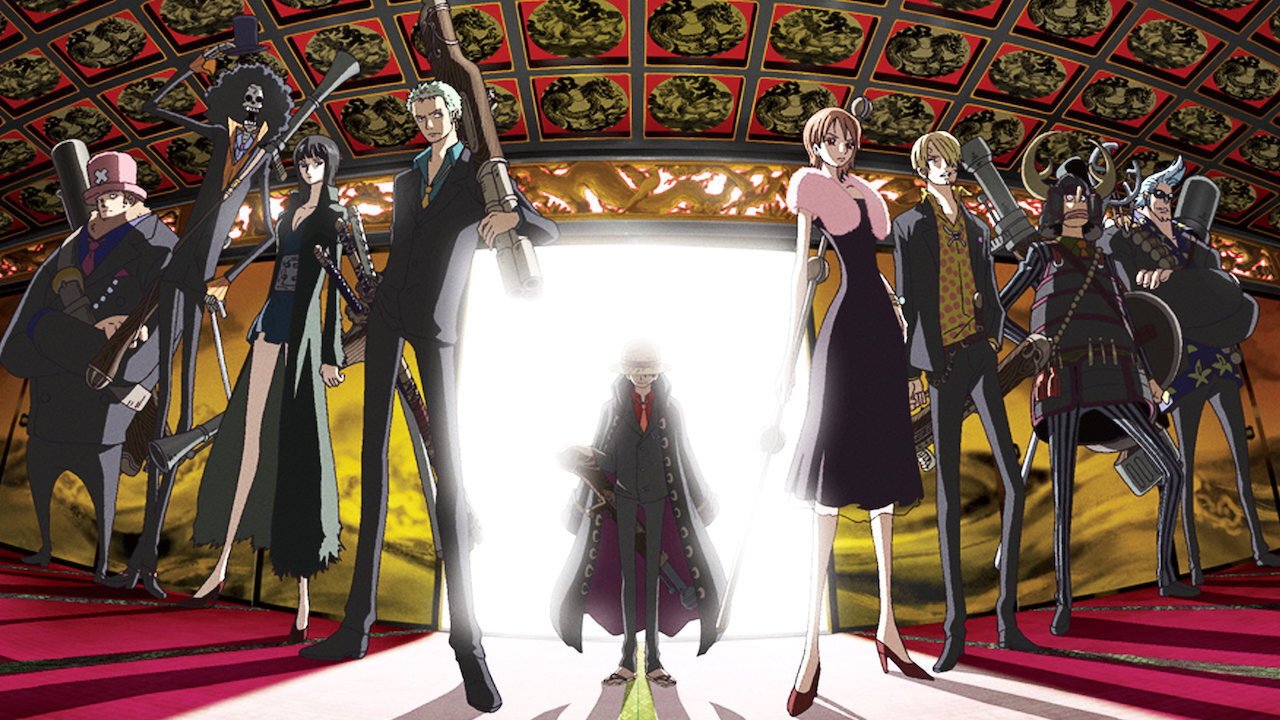
What he does with that assignment is the whole argument in miniature. He goes and takes the medicine. He is outclassed by the man holding it, gets flattened, and keeps going. Then he does the thing that tells you who he is: when the medicine is secured, he does not celebrate. He hands it over and says Nami’s safety is the priority. Not his win. Not his sword. The navigator’s survival.
That is what a first mate sounds like when nobody is ranking him. There is no audience for the line. The film’s real thesis belongs to Luffy, who fights a man who tells him that if he wins, nobody will thank him and he will only be remembered as a pirate — and goes to fight anyway. But Zoro is the character who proves the crew would still function if the applause never came. Read the sequence as a standalone and you have the thesis in ninety seconds: take the hit, get the medicine, give it to the person who needs it, report back.
Film Z and the Hesitant Sword
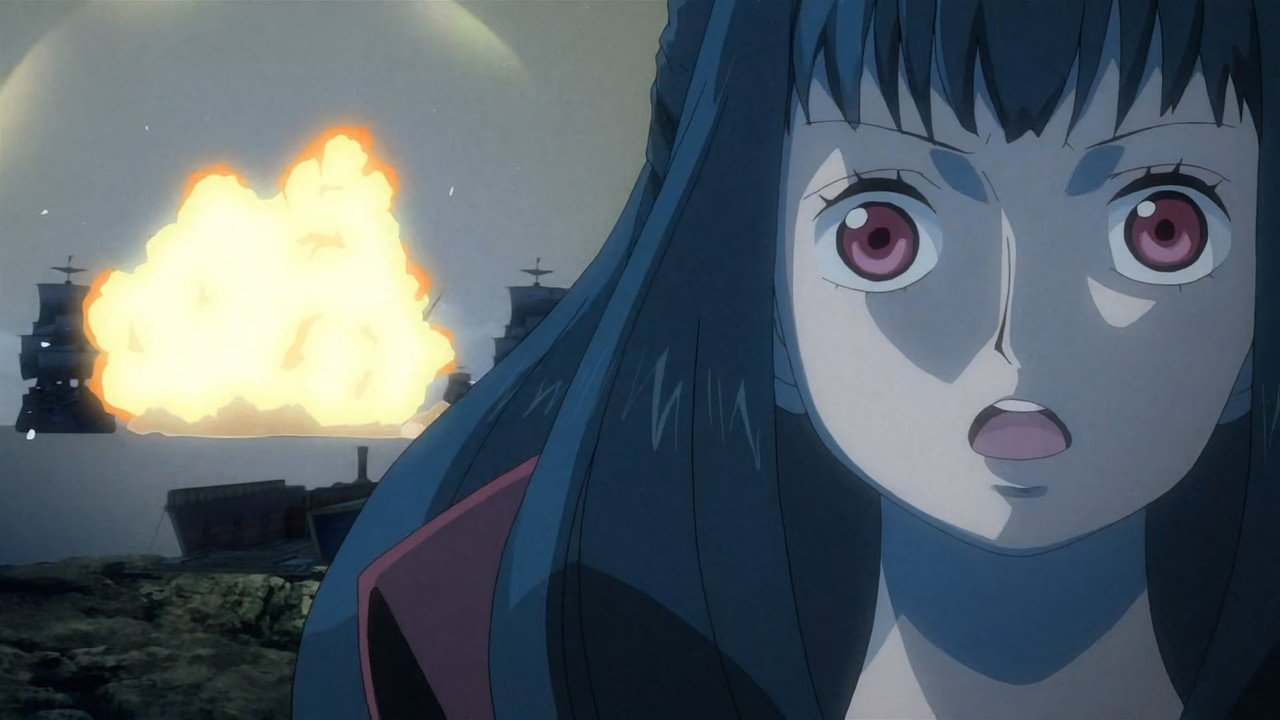
One Piece Film: Z hands Zoro a swordswoman he cannot simply overpower, and then has him do something no power ranking would predict. Twice in that fight he stops to comment on her technique — once to say he has nothing against her and will still fight her with everything he has, once to point out that he can see hesitation in her sword. He wins by noticing she is not willing to finish it.
That is a swordsman’s read, not a fighter’s read, and it is the most Zoro thing the franchise puts on film. He has the higher raw ability in that matchup and he spends it on perception. The insight is also thematic: the film’s argument is about a man named Zephyr who decided that strength without conviction is a disease and who destroys the world rather than admit he lost faith in pirates. Zoro wins his fight by diagnosing the same wound.
Film Z is the rare One Piece film where the antagonist genuinely loves the sea, and the crew has to beat him with the argument rather than the arm. Luffy takes that fight personally and walks into a volcano for it. Zoro takes the fight beside him, wins his version of it cleanly, and moves on. The framing — the crew beating their counterparts one by one on a stolen island — makes the swordsman look like the most normal member of the group, which is the useful part: a film with no room for a personal arc never has to spend a frame proving the first mate will show up.
Gold, Where the Argument Gets Fought Out
One Piece Film: Gold stages the most direct confrontation in the franchise between the two halves of Zoro’s character as a sword fight. Zoro and Sanji go at each other over who gets to stand in front of a person they both failed once. Neither is fighting for a title or a bounty. They are fighting over a job.
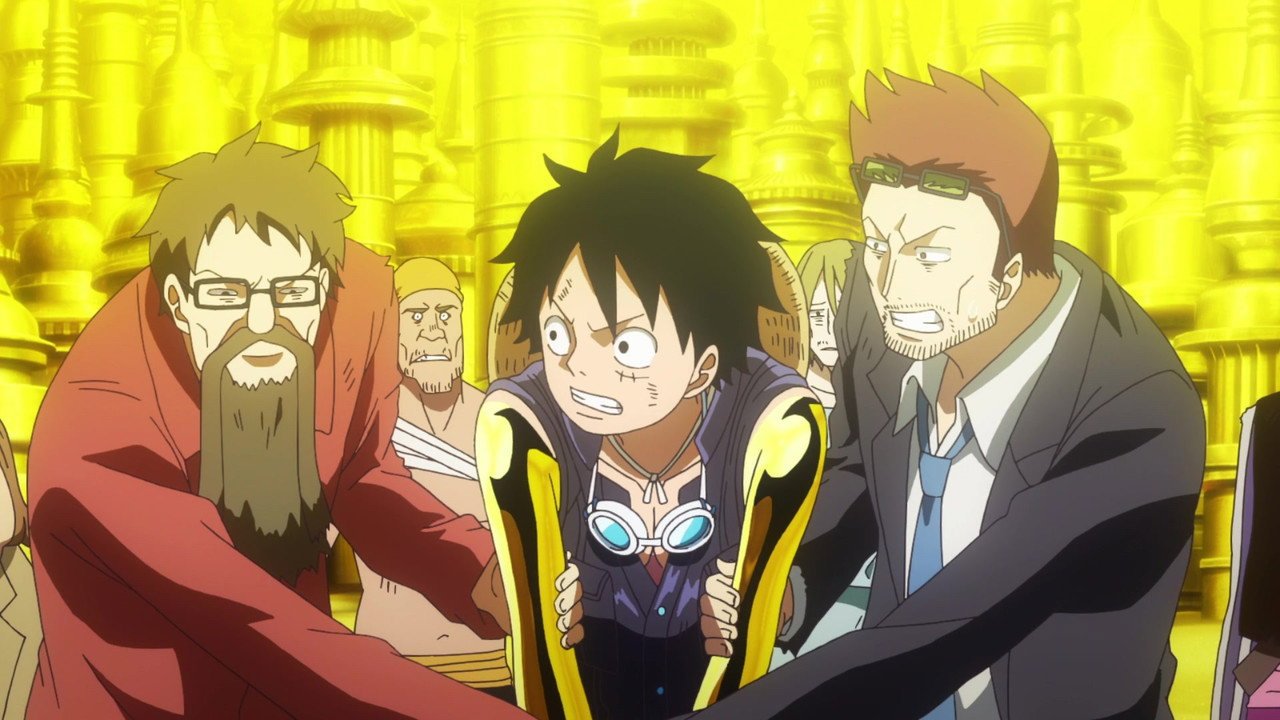
And Luffy — the actual subject of the fight, and the reason either of them is there — never enters it. The best joke in the film is that the two most stubborn men in the crew are arguing over a family that is not even theirs to settle, while the kid who united them is off doing the actual job. That is not a coincidence of staging. It is the argument of the whole series compressed into one scene: the swordsman and the cook are defined by their relationship to a third person, and they will happily destroy each other over it while that third person is elsewhere.
The fight also does something sneaky about the strength question. For its entire length the two of them trade evenly, which is a temporary admission that strength cannot separate them, because they are the same kind of person with different childhoods. What ends it is not a technique. It is Luffy, who wants his brother back, and the realization that the fight was never about the seat. A character whose loyalty were just a compliment to a stronger captain would not be having this fight. He is having it because the promise includes a claim on the future, and a stronger man cannot overrule that.
Red and the One Sentence He Cannot Say
One Piece Film: Red is the only one of these films where Zoro is genuinely out of his depth, and the film knows it. He is the strongest of the crew in most practical terms and he still cannot swim, which means a man who has spent his life relying on the crew to get him out of trouble is handed a situation where the crew might be the reason he drowns. He admits this to Uta. It is the shortest, least impressive-seeming confession in the movie, and it exposes the whole engine.
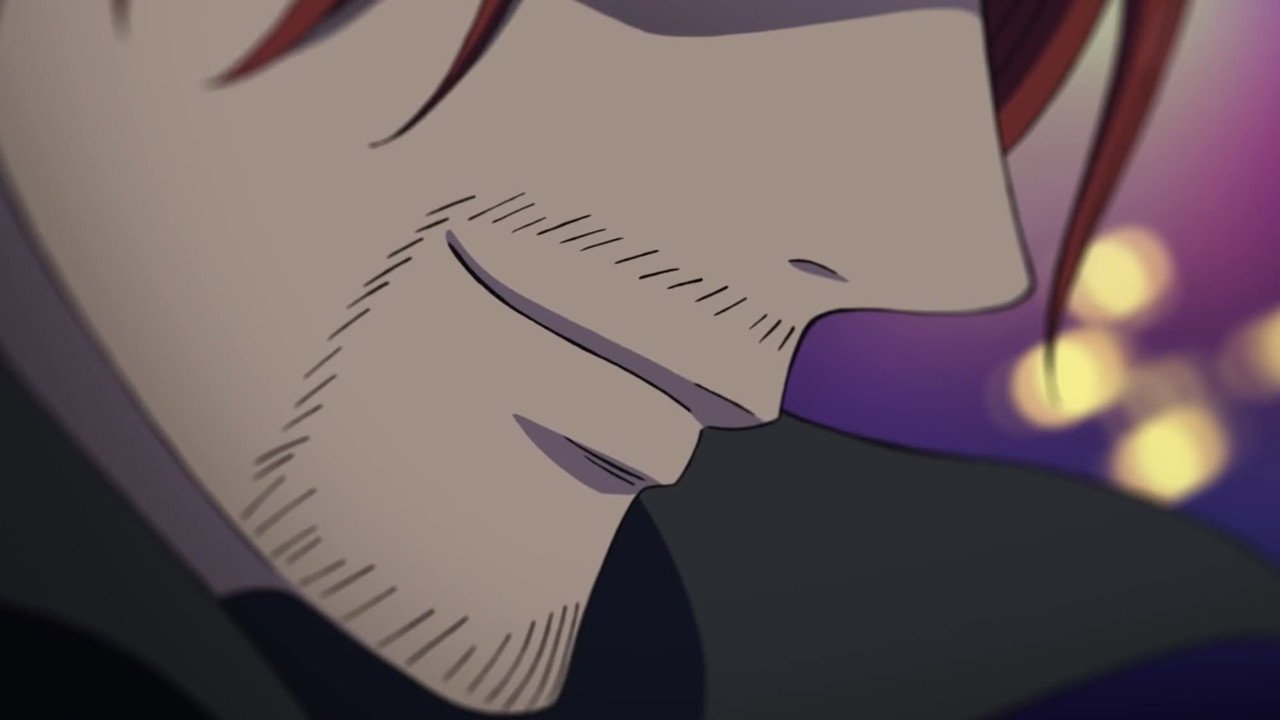
Everything Zoro is runs on the assumption that someone else handles the part he cannot. Luffy handles the fighting. Nami handles the route. The ship handles the ocean. Zoro handles the thing in front of him and trusts the rest of it completely, never having to say so because the crew simply functions. The film puts him in water he cannot survive, and the trust becomes visible for the first time. He is not a loner. He is a specialist with a very specific dependency, and the dependency is the point.
He also gets the film’s most unglamorous fight. Beaten repeatedly, asked to give up, losing an eye over a spilled jar of music he was guarding, and still getting up. No new technique, no crowd, no line about being the greatest. He just keeps choosing the same thing until the film ends. Then Uta sings, and the Zoro who cannot swim is the one standing in the light — the closest the franchise has come to stating the thesis with no fight attached to it.
The Remake Is a Second Pass at This Argument
The one thing that makes the next version of this show interesting is that it starts at the beginning again, and the beginning is where the promise is made. WIT Studio’s remake The One Piece opens on roughly the first fifty chapters of the manga, and when the first teaser surfaced it confirmed the piece that matters most: Mayumi Tanaka reprising Luffy, with Netflix set to drop all seven episodes in February 2027.
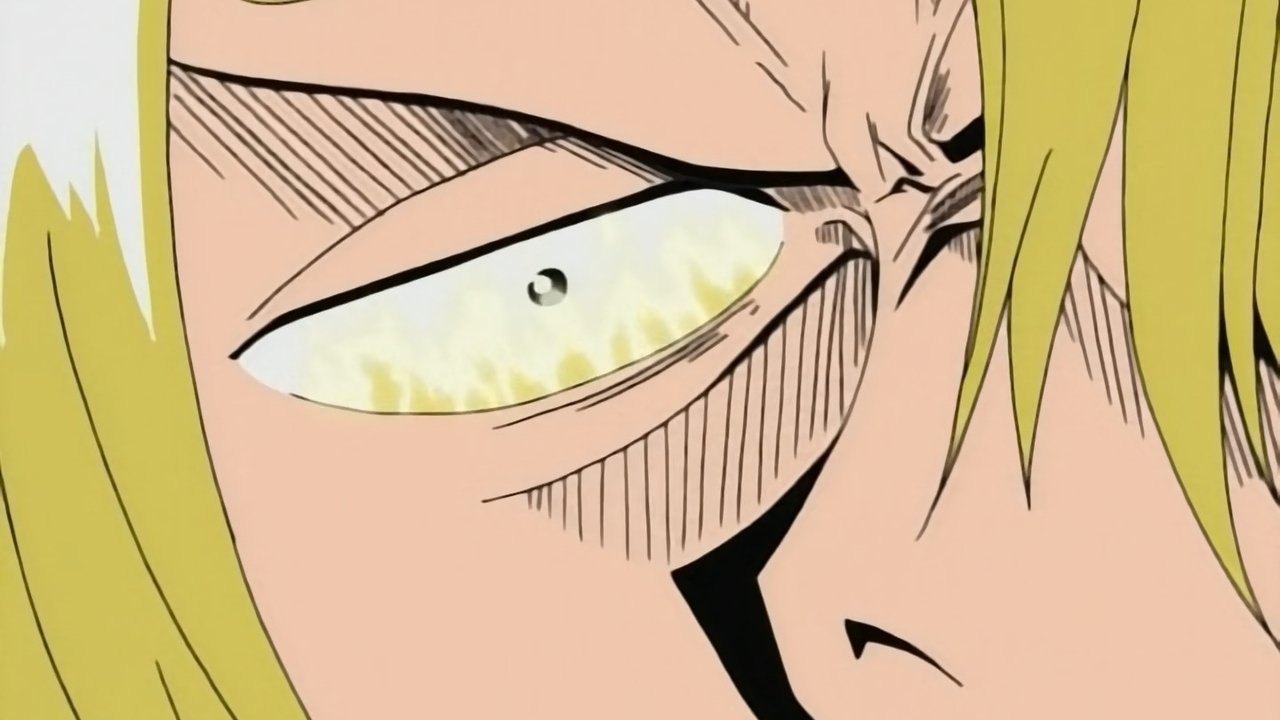
Which means the first thing a new audience meets, in new animation, is a caged swordsman and a boy in a straw hat. Seven episodes covering roughly fifty chapters gets you to Sanji. It gets you a long way past Zoro’s origin — the whole East Blue run, up to the moment Luffy meets Sanji at Baratie — and then it stops.
That is a useful priority. If the crew’s cohesion is being rebuilt from zero, you cannot start with the fights. You have to start with the promise, because the promise is the only reason the fights are load-bearing. Wano, Enies Lobby, the arm on Sabaody — all of it retroactively becomes a series of references to a conversation two kids had in a cage in the East Blue.
Why Loyalty Is the Real Power
Rank Zoro properly and he is a top-tier combatant with a ceiling and a stubbornness problem. Rank him correctly and he is the reason a crew of ten can be trusted with the risks the plot requires, which is rarer and far more fragile than combat ability. Strength can be trained, inherited or stolen. The specific thing that makes Zoro indispensable — that he will spend an arm, an arm again and most of his remaining blood on a debt to one person — cannot be trained by anyone else and cannot be acquired afterward.
This is why he is the one who holds the cast together when the cast fractures. Water 7 is the crew at its most broken, with Sanji gone and a returning swordsman as the only fixed point in the room. Enies Lobby is its worst tactical situation, answered by two people showing up. Wano is it at its most spread out, and the guy still standing is the one whose reason for standing has nothing to do with the current state of the crew. Every time One Piece needs to reassemble itself, it reassembles around him.
There is a cost, and the series is honest about it. The loyalty makes him reckless about his own body, evasive about his own future, and in one case willing to let a rival die in front of him rather than break a promise. A man whose reason for existing is a promise will do things a man who simply wanted to be strong never would. The story does not apologize. It is the strength, pointed somewhere.
If you want the strongest version of the counterargument, the archetype write-ups on the Otaku side sort characters by exactly this axis, which is a fast way to find out whether you are reading the loyalty as strategy or as identity.
The cleanest test is a hypothetical nobody in the fandom wants to run: swap Zoro for any other strong swordsman. Nami still plots, Sanji still cooks, Luffy still fights, every fight still gets won. What disappears is the thing where a body gets destroyed so the captain does not have to be. Strength scales. That does not. It is the only ability in the crew with no substitute, and it has been on display, unpaid, since the fourth episode.
Where to Go Next
Pick a lane with AniPick and the debate becomes a watchlist instead, or go argue it out with the swordsman himself in the RolePlay lounge — and if you want the short version of the whole argument, it is this: if your favorite Straw Hat is Nami or Sanji, you picked the crew, but if it is Zoro, you picked the promise, and the promise is the part that outlasts all of them.